New additions to our library – including iPads as OPACS

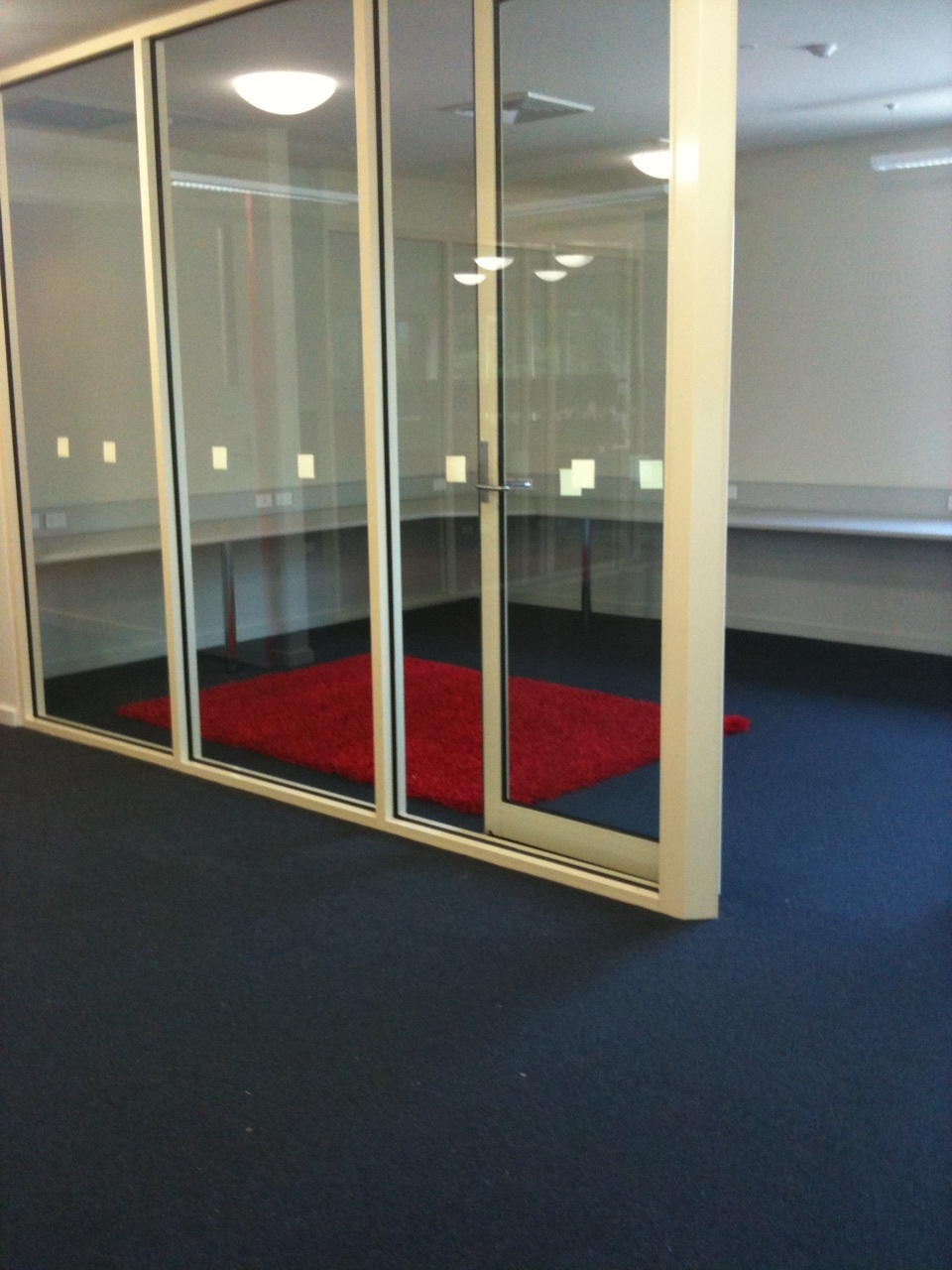
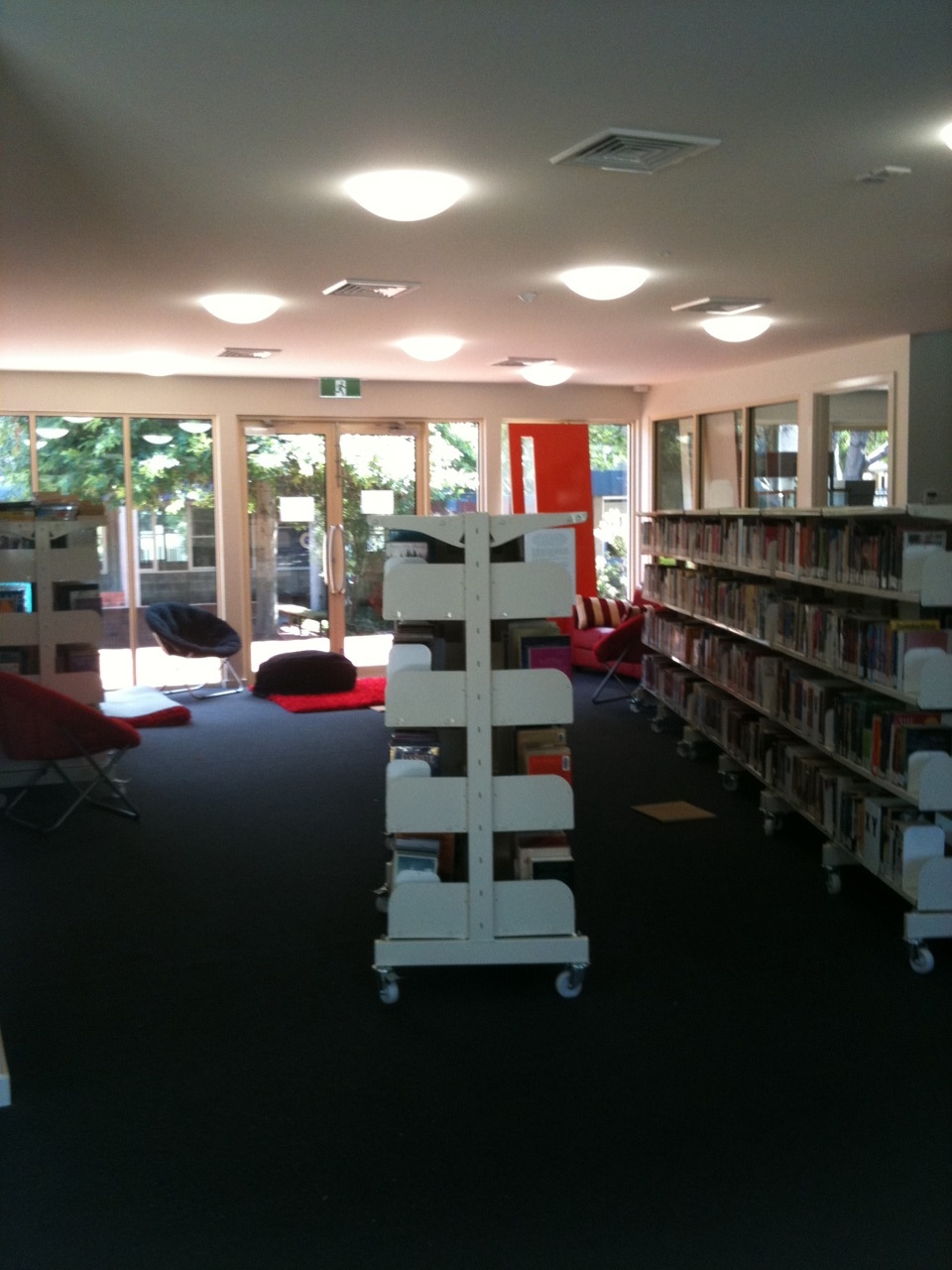
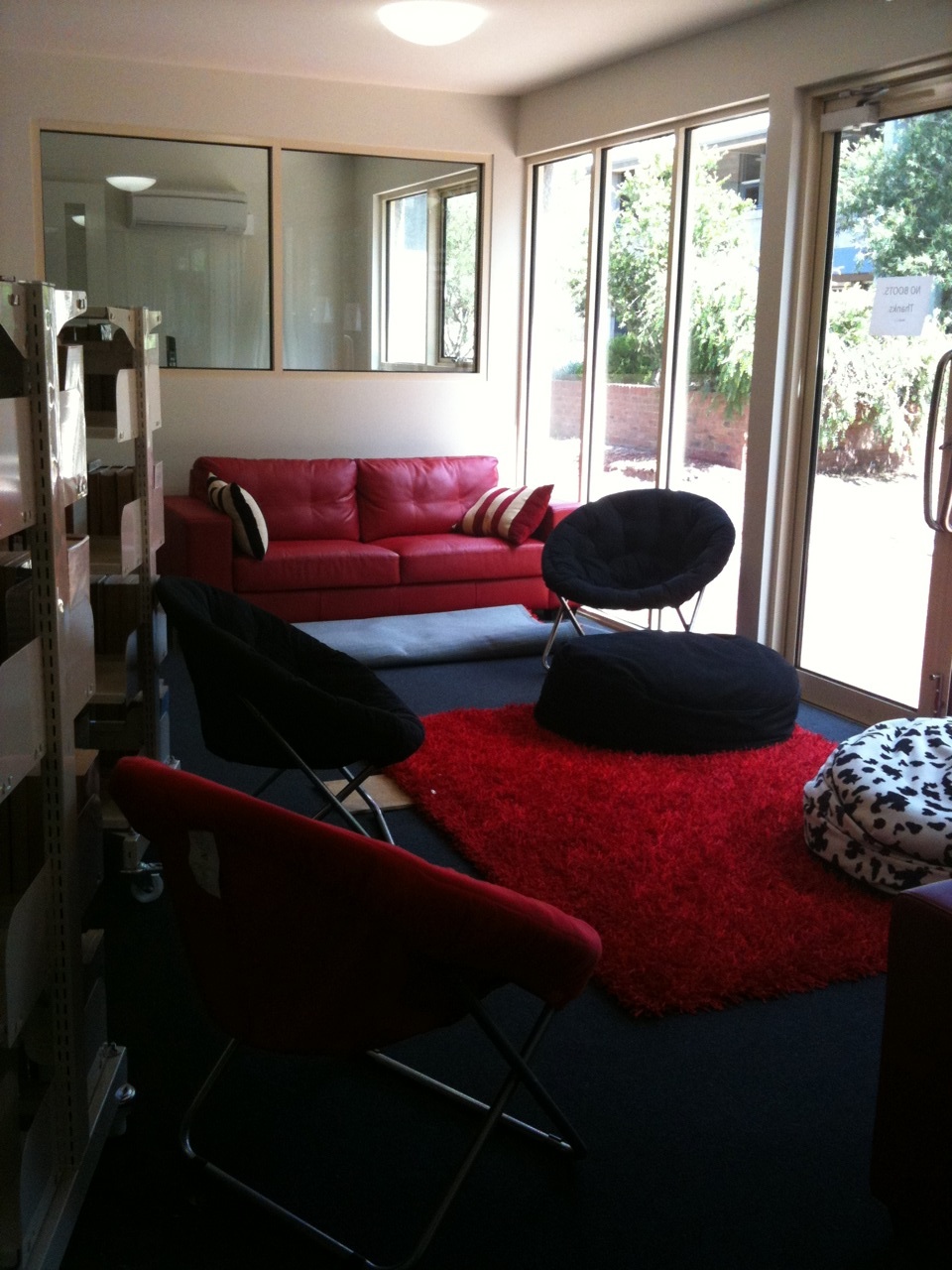
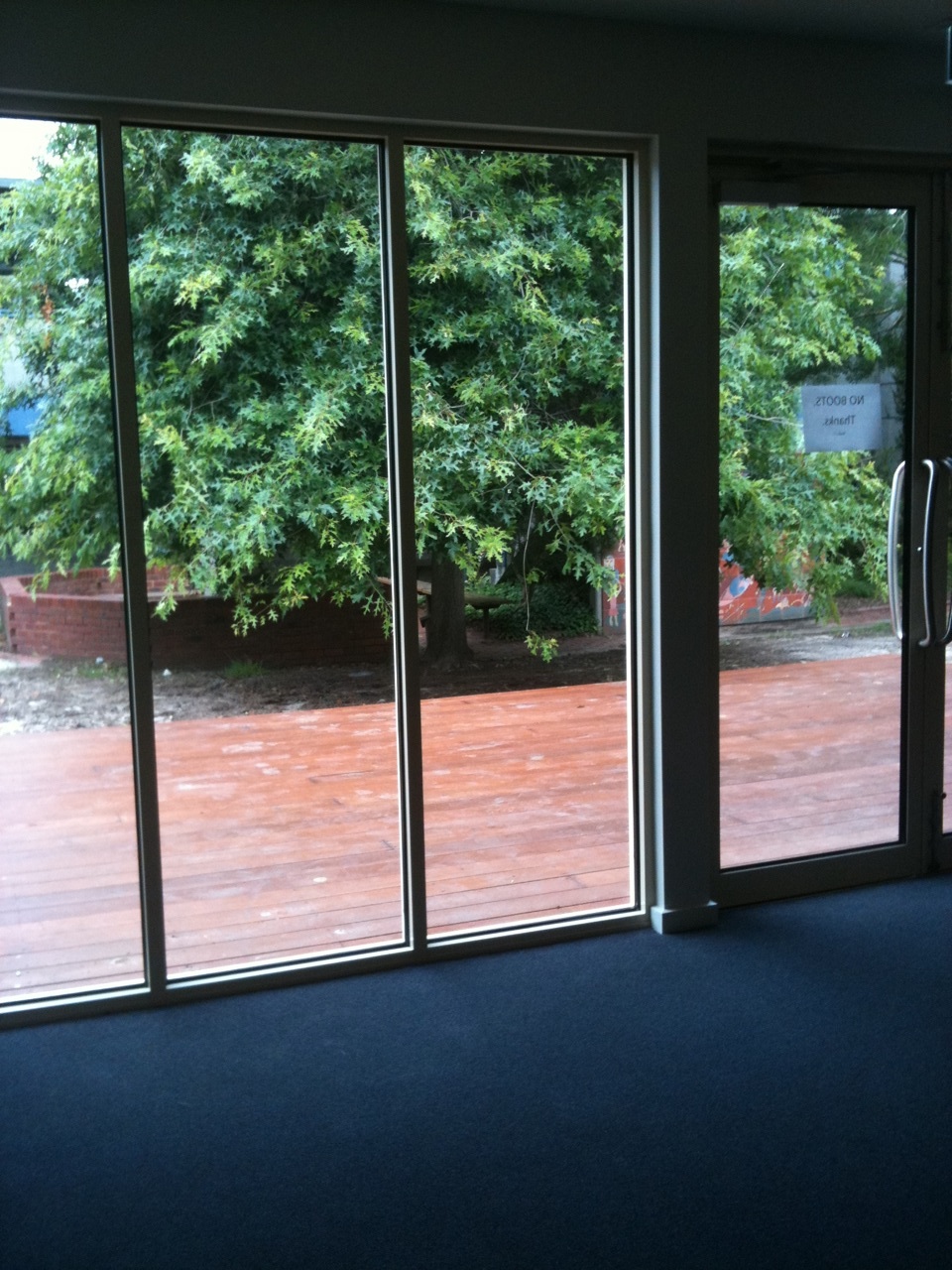
We recently made some purchases for our new library that have helped to make the space feel more like our original plan for a comfortable, welcoming centre that meets the needs of our student population. I thought I’d share a few pics here.
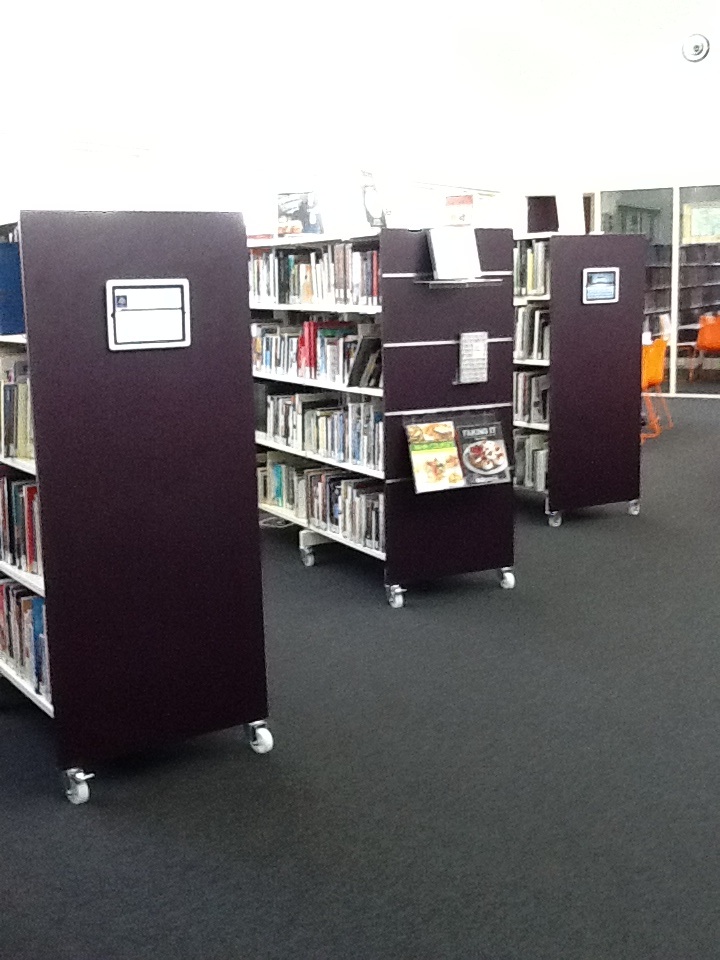
We originally planned on having traditional computers as OPACS, but earlier in the year I saw a post on a listserv talking of how a school had used iPads for catalogue searching, and I redirected the planned funding to the purchase of four iPads. We have mounted an iPad cover to the end panels and insert the iPads in them every morning, and take them out for charging at the end of each day. Because they hold their charge so well, they last most of the day with the image fixed on our library catalogue. We have been really surprised at how much use they have had. There’s the novelty factor that kicked in early, but that’s worn off and they are getting consistent use as a search terminal. They’re a definite winner!
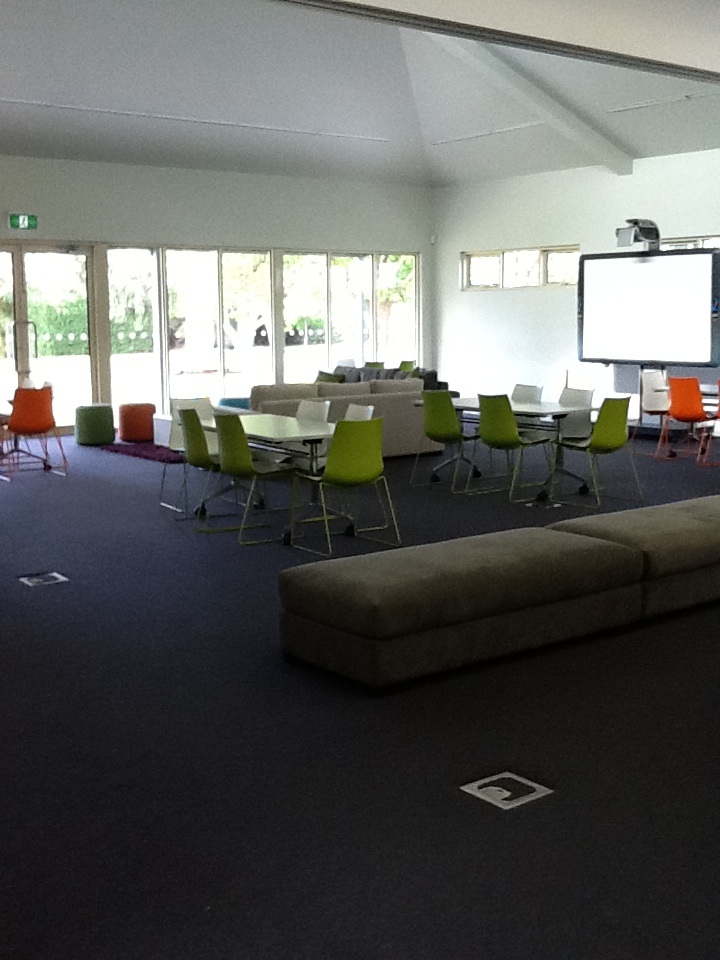
We made some purchases from Dare Gallery of couches and ottomans for the area we have coined the conference room space. It was full of flip tables and chairs, and even though it was easy to reconfigure for different occasions, it wasn’t part of the vision we had for the space. Even though Dare Gallery sent the wrong colour furniture (these couches and ottomans are supposed to be purple and lime! – they are sending replacements for us) their inclusion in the space has transformed its use. It feels so much friendlier, and class groups using the space gravitate to the couches. Teachers have commented on the changing feel of the room, and have recognised that we are moving closer to the vision we originally articulated.
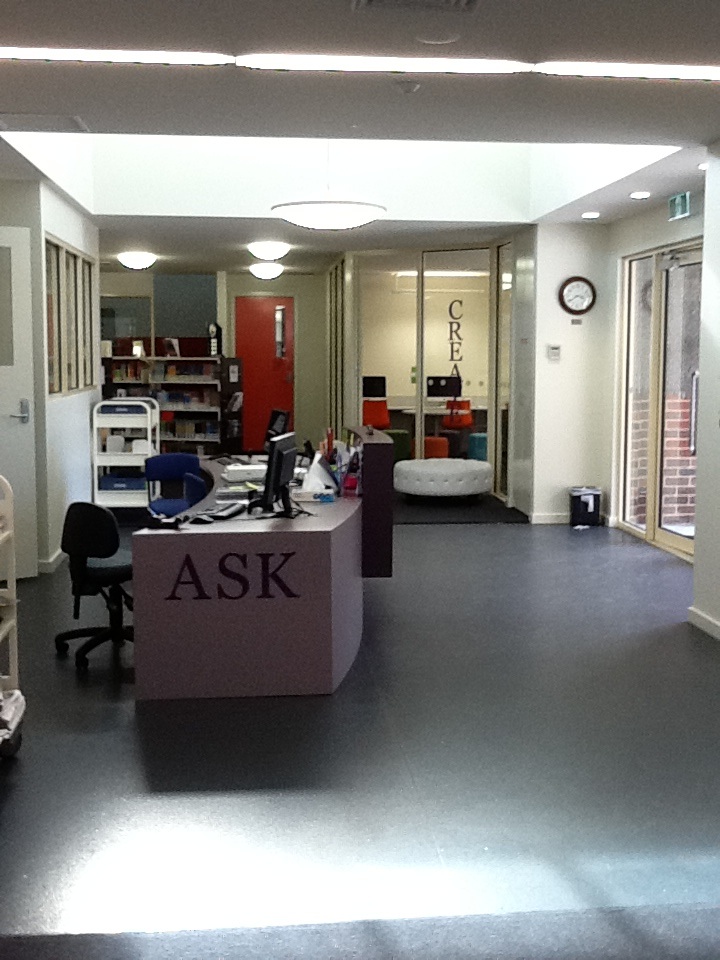
Here’s a picture of a working library- messy circulation desk and all! The blue chairs aren’t part of our vision, but the vinyl lettering was, and using some key words on places like this desk and walls has added warmth and interest.
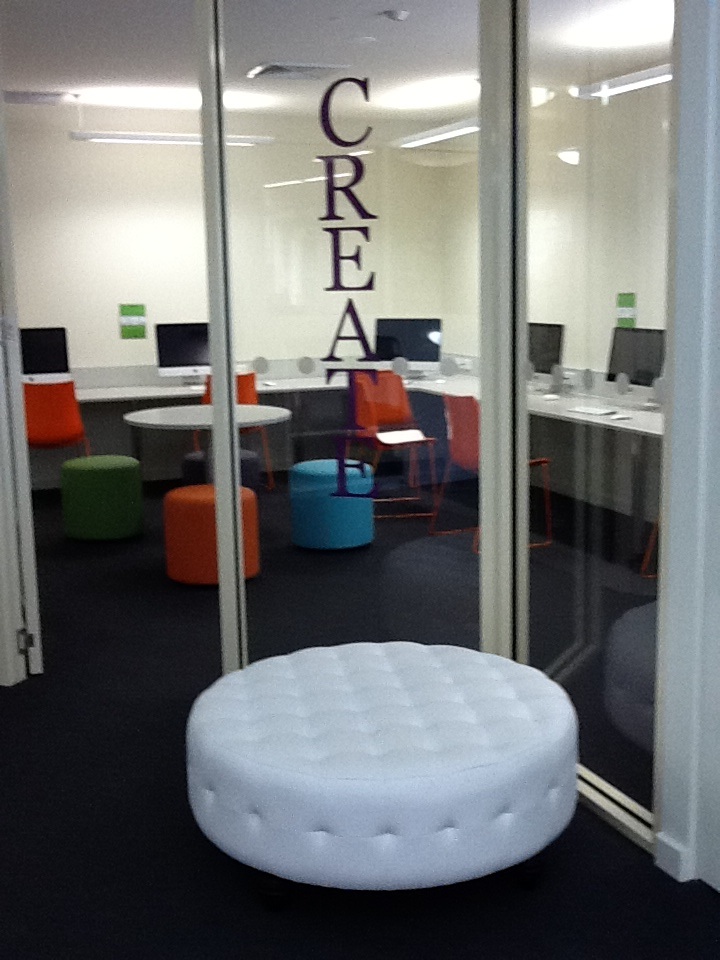
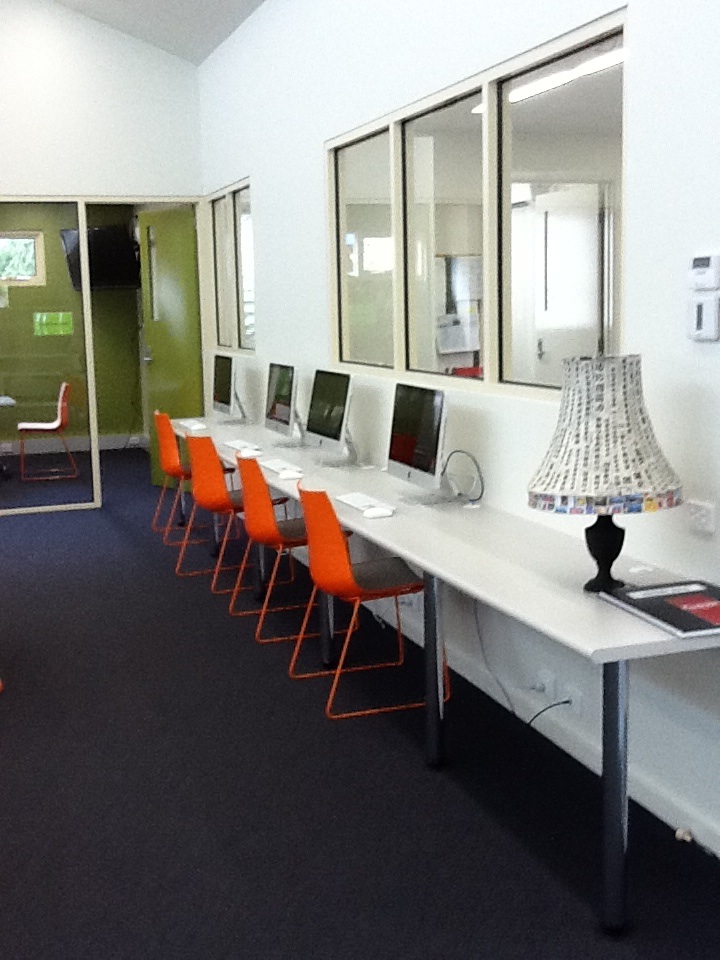


We are a 1:1 laptop school, so there is not a pressing need for banks of computers throughout our library. The addition of this row of four Mac computers has made a difference to this space though. They are getting frequent use from students who come in during breaks without their laptops, and by students who have computers in for repair.
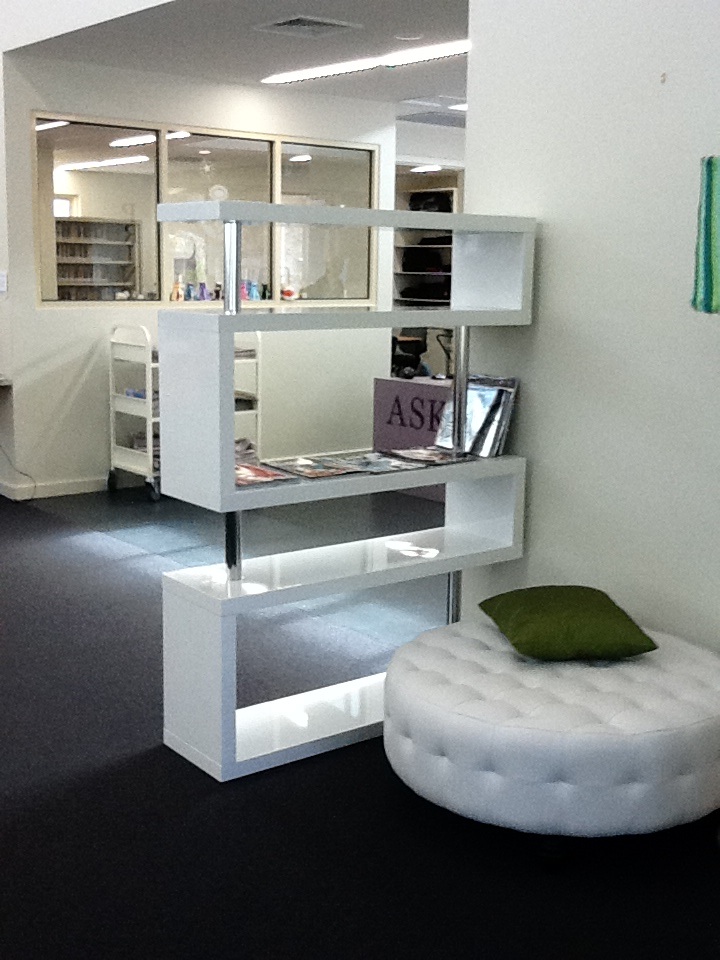
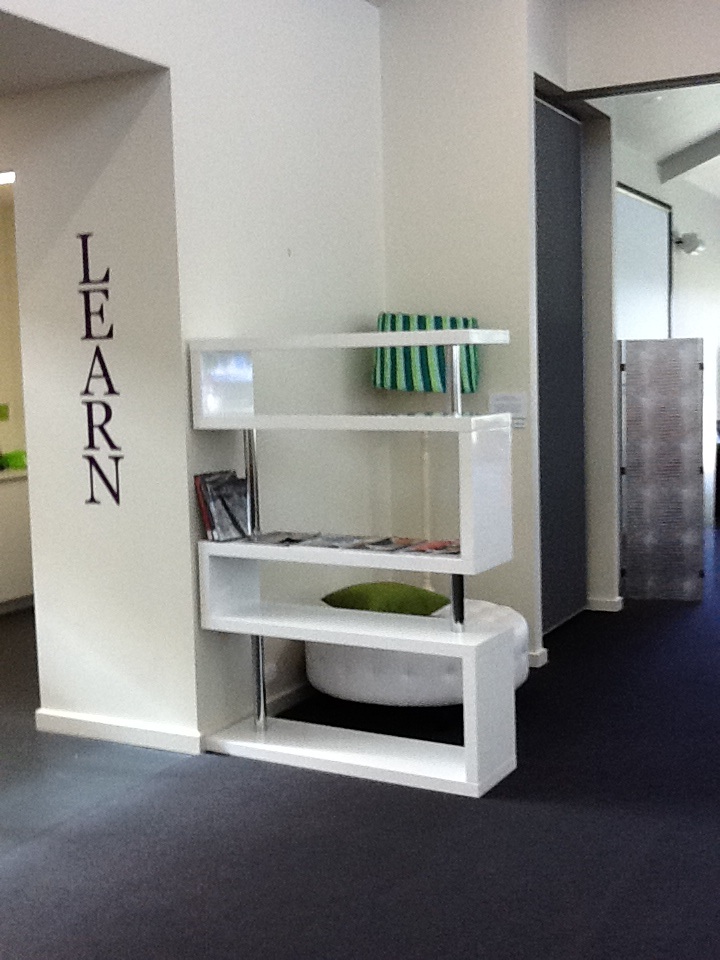
This ZigZag bookshelf and ottoman were other purchases from Dare gallery. It’s a cute little nook and we are planning to display new fiction, non fiction and magazines. It’s anice focal point when people enter the main library space, as you can see from the picture below. In the background, you can see a silver screen. These are tri panelled. We have purchased two of these and can see them being moved around to create private spaces for small groups.
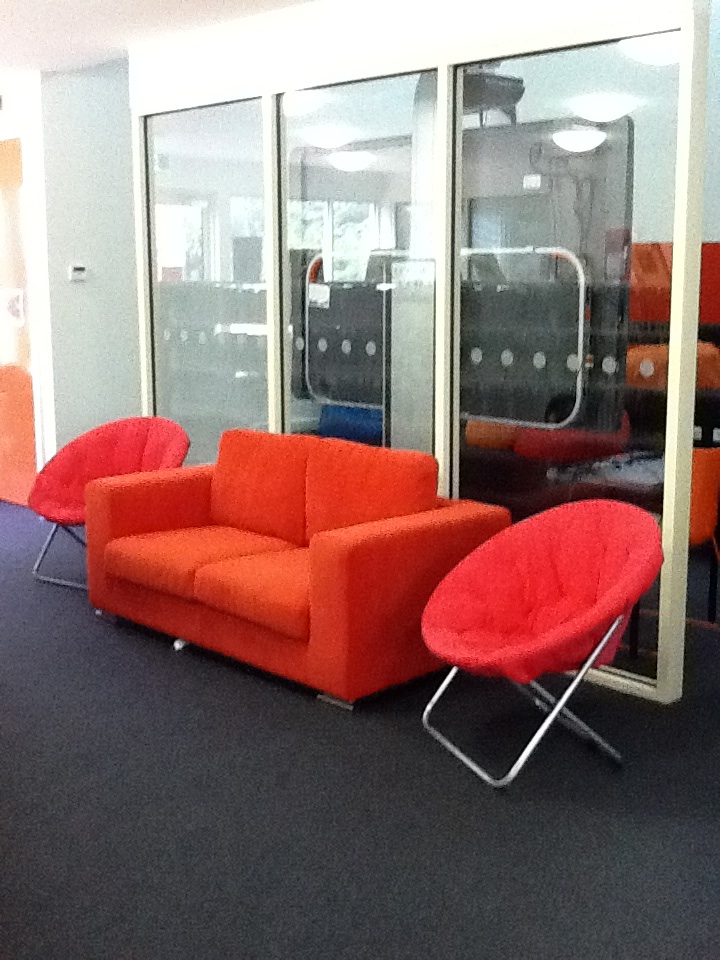
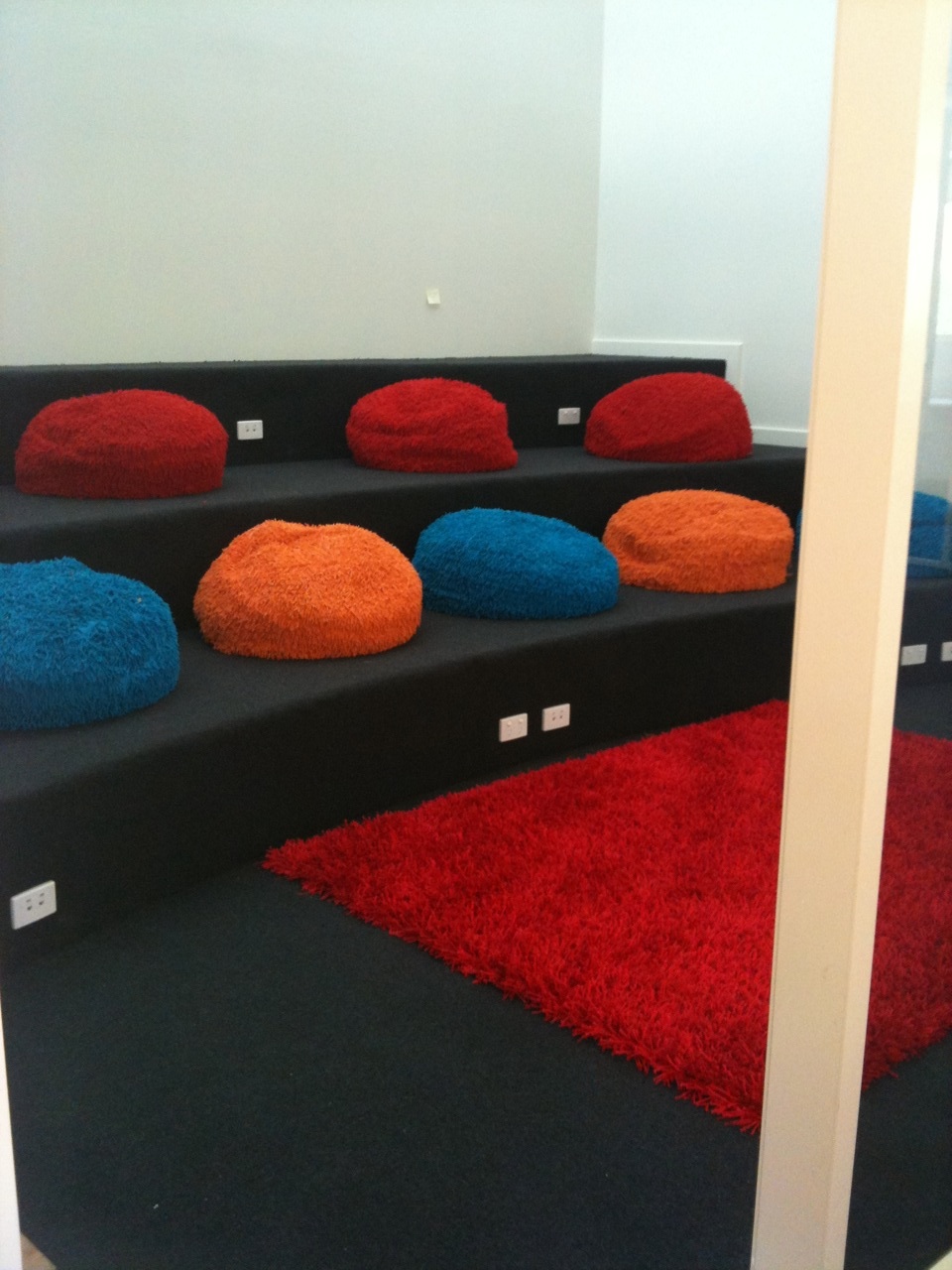
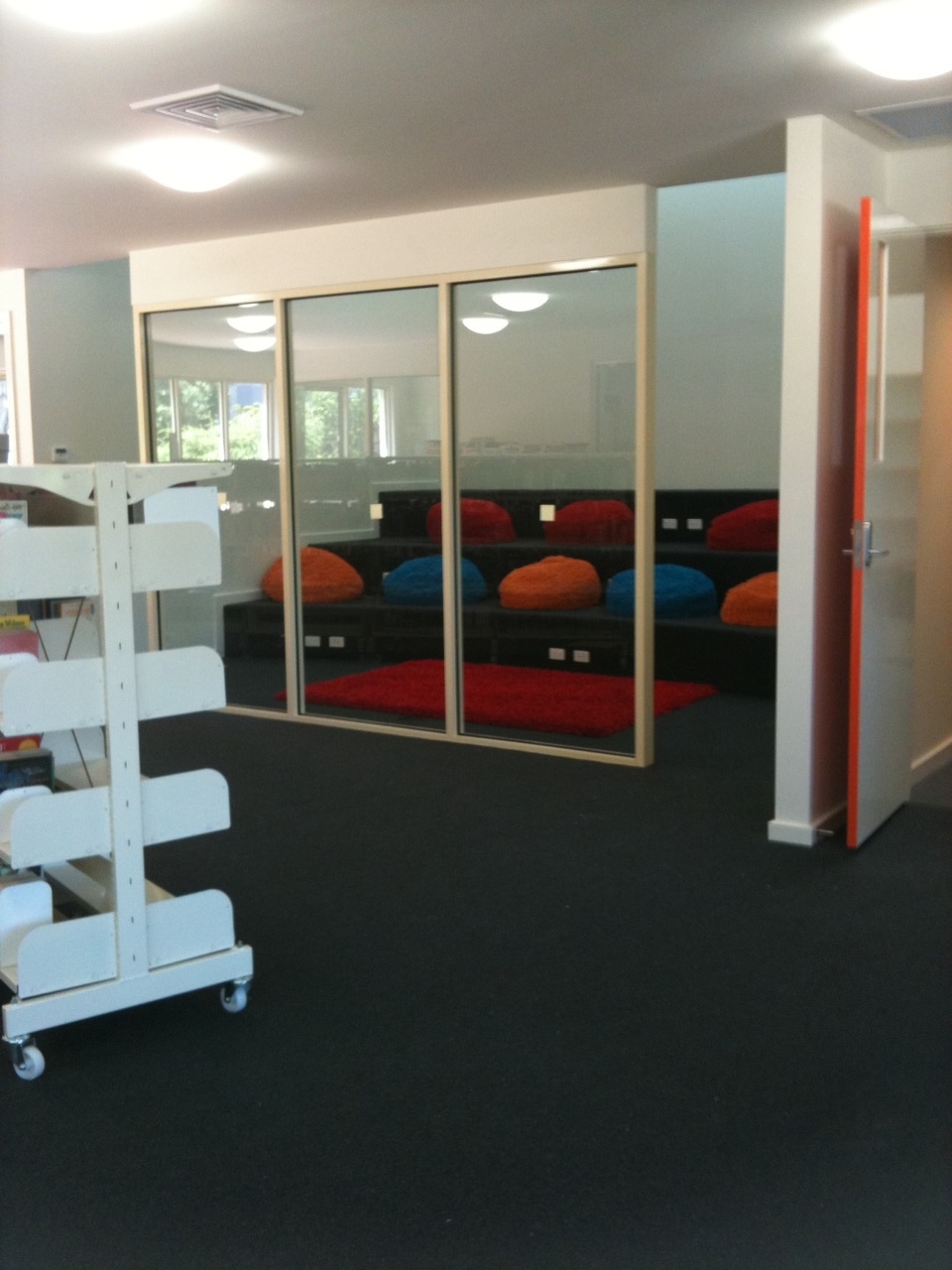
The placement of this orange couch in front of our tiered beanbag room has helped to create another area for students to relax. They have really appreciated the inclusion of more couches into our library space.
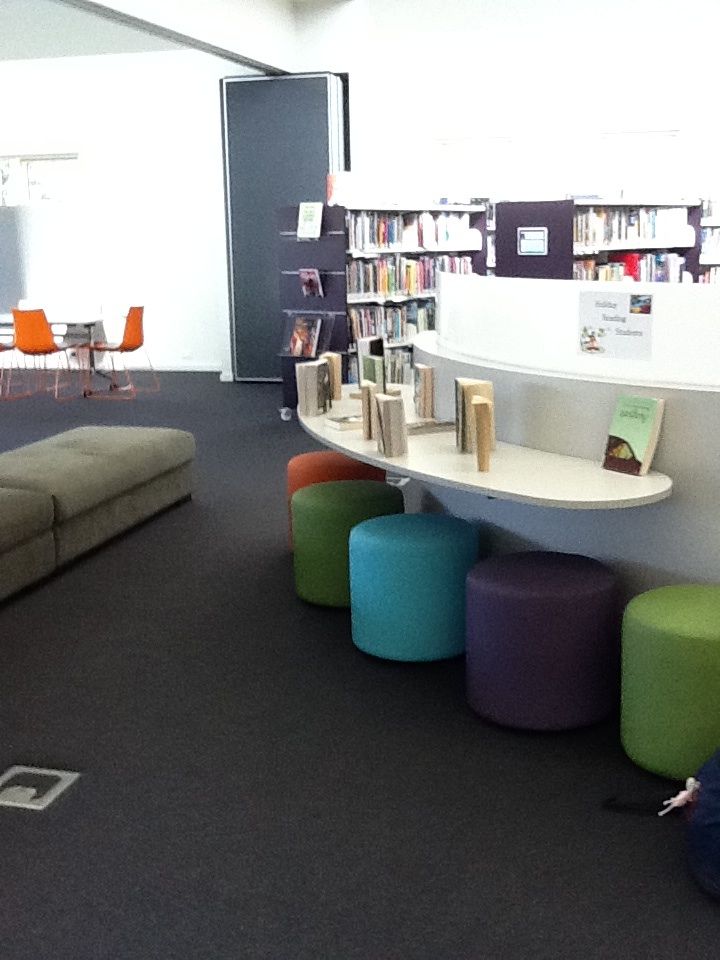
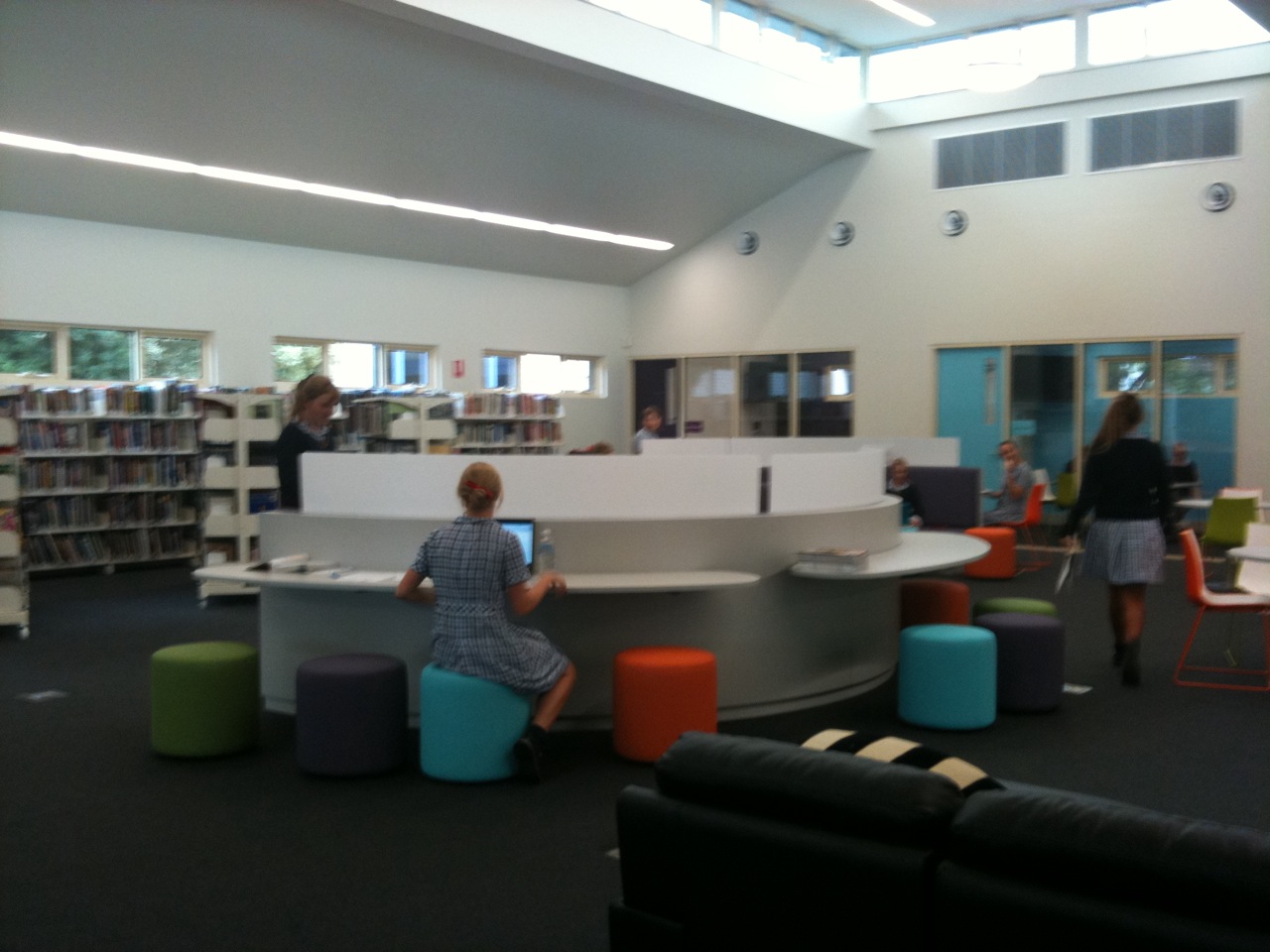
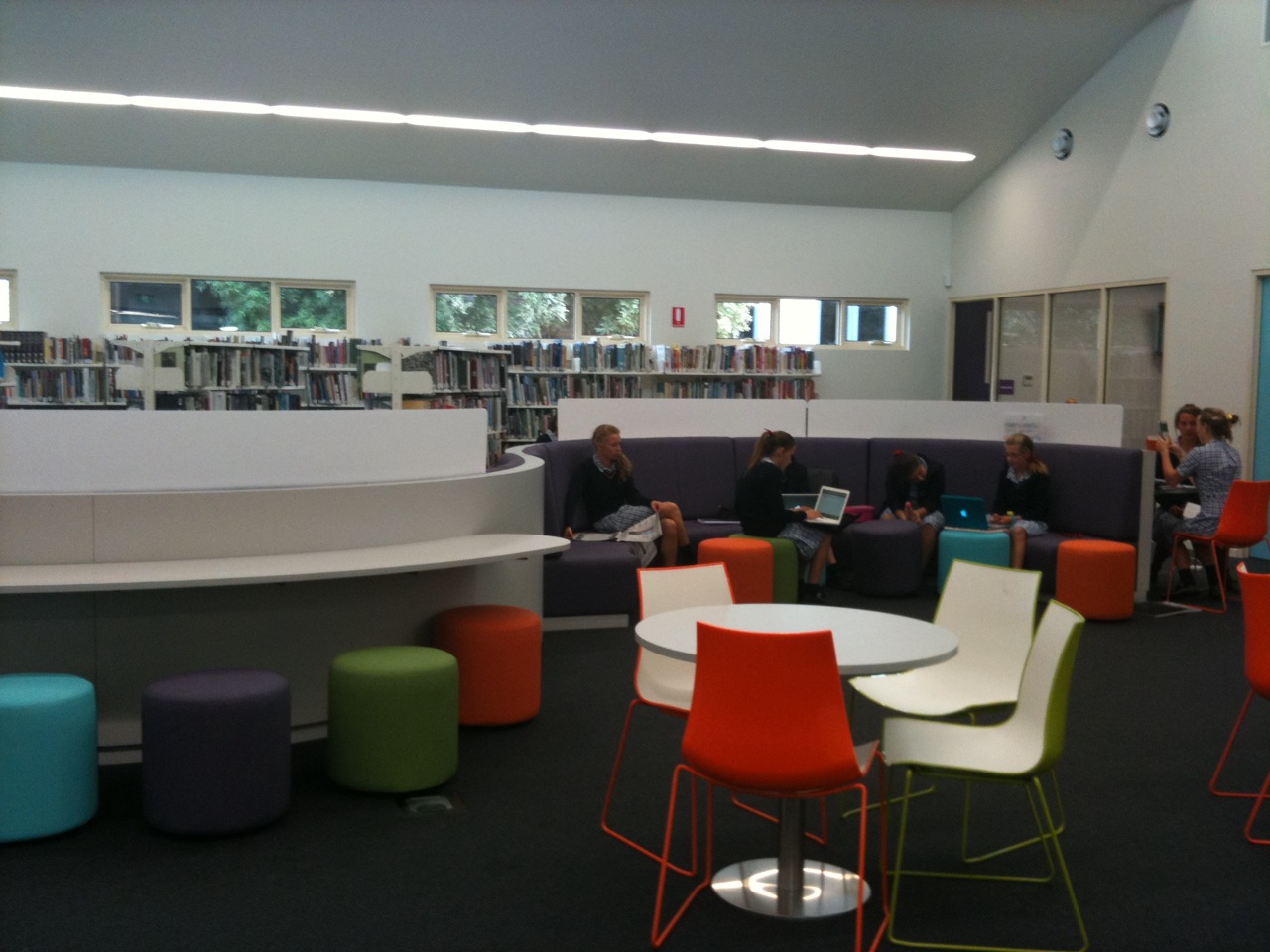
We’ve been really pleased with the snake lounge (our term for the winding purpose built lounge that snakes through the main library space and defines areas) and the functionality it affords. At the end of term we used its benchtops to display holiday reading options for staff and students.

Our library is making its way to the original vision we had for the interior fit out. Hopefully our budgets will allow us to fulfill more of the vision we have for it in the coming year.
 

Why we’re paying for Ning

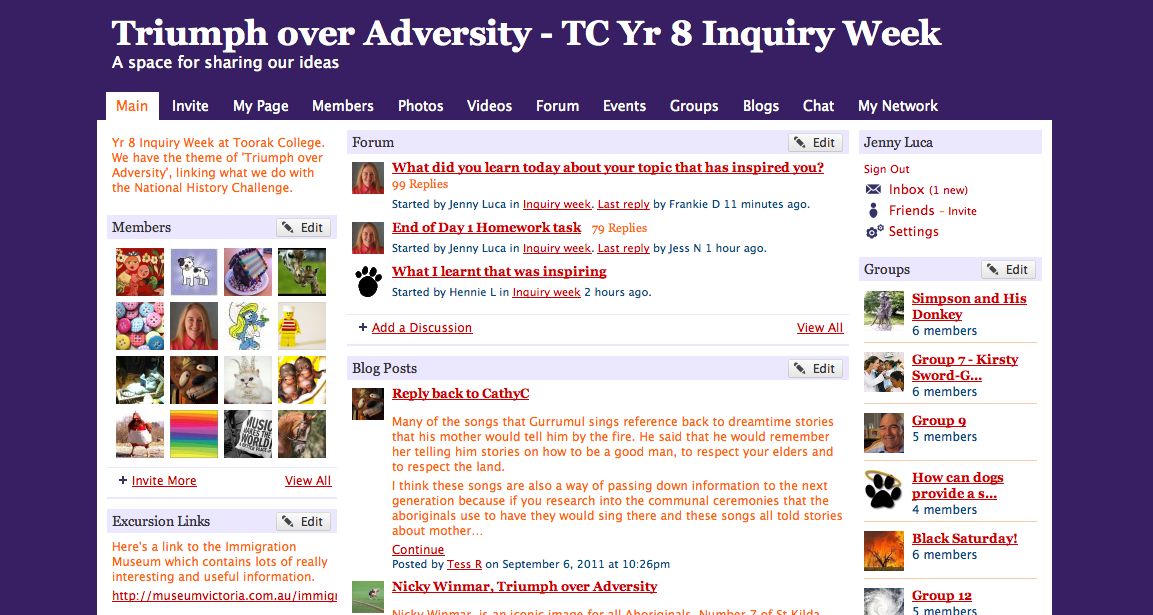
It’s Inquiry Week for our Year 8 students, and we are using a Ning to support the students to communicate and archive evidence of their research. We collapse curriculum for a week, and allow our students to investigate in groups a topic in depth around the idea of Triumph over Adversity. We first used a Ning two years ago, when they were free for educators and it was a dynamic learning environment then. What was great was that our students could form groups within the space and use the chat function at night to help them organise themselves for the next day. Last year, after Ning started charging for the service, we looked for an alternative. We used Wall.fm, but it was fraught with problems that I outlined in a post and not something I would use again. One of the stumbling blocks last year was the price Ning charges for a network that includes groups and chat. At the time, we felt that the $200 outlay was too expensive.

This year, our Head of Year 8 really wanted to run a paperless inquiry week. We had a wiki we used last year for the inquiry week, and we added pages that incorporated what the students would formerly receive in booklet form. When we discussed an online environment to support the project, I recommended that we bite the bullet and outlay what is now a $239.00 a year cost to run a Ning that has the features we needed; in particular, groups and chat.

I’m glad we did. I spent time last week in classes explaining the Ning environment and making sure the students were signed up so that we could hit the ground running this week. Yesterday the students went on an excursion and were asked to post a reply to a discussion prompt in the evening. Over half of them got something up last night, and those who didn’t were busily posting this morning. What has been amazing is watching it develop during today and this evening. Groups are formed, and the students have posted their topics and guiding questions within these spaces. This afternoon’s discussion prompt has seen over 100 replies this evening. These are from students, detailing what has inspired them about their topic, and replies from teachers who are encouraging their efforts. The chat space has been used this evening, and i’ve been pleased to see students suggesting that they move to Google Docs to work on their planning for tomorrow. (There’s some transference happening : ) They used Google Docs earlier this year in a Humanities project) The Head of Year 8 sent me an email late this afternoon and said,

The Ning’s like some living organism!

Here’s a screenshot of part of the front page from earlier tonight.

It is most certainly a living organism. It’s providing focus, encouragement, and transparency to our learning environment this week. Even though I’d love to see the powers that be at Ning work more closely with education and provide better pricing, our financial outlay is already paying off. I can’t wait to what it’s hosting by the end of the week!

School’s out Friday

Does this remind you of anyone? You, maybe? Those of us who tweet regularly, update our status on facebook, those of us who blog? Once again, improveverywhere have made me smile, and plenty of others in that audience too by the looks of things.

BUT, not everyone agrees with the mirth and merriment. This video was posted on the TED site this week, and the comment thread accompanying it shows that some TEDsters are unhappy that something so ‘light’ could be put up as being worthy of inclusion. Take this comment as an example,

Between the video on how to tie your shoes and now this improv anywhere video that is reminiscent of something that would recommended to me on youtube, I’m a little bit disappointed in the videos that have been posted recently. It’s not that theres nothing to learn from these videos; one could make the case that the shoe tying video shows the importance of reexamining things we’re sure of or that this video shows the value of play and spontaneity, but I think those would be a far stretch. I guess over the years I’ve become accustomed to a TED that challenges me and expands my view of the world, not panders to me.

Really TEDsters? Lighten up. Not everything needs to be serious. In fact, sometimes taking the mickey out of ourselves provides insight into the way we conduct our lives.

Anyway, my need to share brings me to this. Last week was House Music day at my school, and I was mightily impressed with the small group music items. The winning group posted their effort on YouTube, and like a proud mother, I just have to share the talents of the students at my school with you all. So, take it away Cerutty Mads 2011, singing Love You by Free Design.

Hope you enjoyed it as much as I did.

Have a great weekend. Enjoy : )

Creating a Library for the future – Part two!

Recently, I wrote about our new library and how we had tried to create a library for Toorak College that would meet the future needs of our school. There are lots of photos in that post, but most were taken before our furniture had arrived. I thought I’d provide an update with more pictures and discuss some of the furniture choices we made.

Making spaces flexible was always a motivating factor behind our choices. We have flip tables on castors in our large conference space. The chairs are incredibly comfortable and are on a sled base. (We are still waiting for our full complement of chairs. In the photo above you can see some loan chairs that will be replaced with the orange 3D chairs once the next shipment arrives) The sled base makes them really easy to move around. We are constantly reinventing this space to meet the needs of large groups and special functions, so easy movement of the furniture is important. It’s not back breaking work sliding chairs and wheeling tables away! You’ll notice a portable interactive whiteboard off to the side in the picture above. We have three of these in our library and they can moved to where they are needed. Floorboxes dot the floor and have power and data points within them. They are constantly in use as our school is a 1:1 laptop environment and access to power is critical. There are large sliding doors that can close this room off, and we are finding it’s getting constant use.

What we’ve been really excited about this week was the arrival of what we call our ‘Snake Lounge’. This is a very large signature piece that winds its way through what we call the Learning Commons part of our library. It’s been enthusiastically embraced by students and staff alike. Seeing people’s reactions to it when they see it for the first time is incredibly rewarding. We are thrilled with how our vision was translated by the furniture craftsman, Abbas, who listened to what we described and built something that probably has surpassed our expectations. Judge for yourself from the following pictures.


It is beautiful! Watching the students use it is so gratifying. Today, during lunchtime, every part of it was being used. Some students were relaxing and talking while others were working at both the attached tables and the benches. The ottomans serve as both stools and tables for laptops and books. Once again, they can be easily moved around -the ottomans that is! The Snake lounge isn’t going anywhere -it’s a permanent fixture. I’m not about to go breaking my back moving that one!

Our Multimedia room has been fitted out with desktop Mac computers.

I included this picture in my last post about the library, but it remains one of my favourite spaces, although it’s probably tied with the Snake Lounge now! We called it the Presentation Room, but our students have coined it the Beanbag room, and that name has stuck. It gets constant use, both with classes and as a relaxed space for students during recess, lunch and after school.

All of these spaces require teachers to rethink their use of the library. Our previous building had clearly designated class spaces that mimicked classroom configurations of the traditional classroom. This new library is very different, and students find spaces that work for them. Quite often a class is not contained in one space; they spread out and use breakout rooms, couches and tables. We are seeing our senior students gravitate back (they have their own senior centre) and they especially enjoy the small breakout rooms that allow them a quieter space for study. (You can see the breakout rooms behind the Snake lounge in some of the pictures above). That’s another thing I am pleased about having; the quiet spaces that we never had in our previous library. There are some who crave quiet, and others who are content with ambient noise.

I am so pleased with how this building has turned out. We still need end panels for shelves and some more relaxed seating options. The end panels will arrive in the coming weeks, but other new furniture options may be on the backburner for awhile. Vinyl lettering and designs for our walls is something else we are putting thought into. It’s exciting to be involved in a project like this, and truly wonderful to walk into work every day and see a vision realised.

CPL workshop – all systems go!

A couple of years ago, I would speak at staff meetings and I could see eyes raising and people looking at one another with that, ‘here she goes again’, body language happening. Experiences like that have made me wary of staff presentations. In fact, I’m more comfortable presenting to a room of 200 strangers than I am with the people I work with on a day to day basis.

Yesterday I ran a whole day workshop at my school for Toorak College’s Continuous Professional Learning Seminar series, and the majority of participants were people I work with. I was more than a little anxious I have to admit. Firstly, it was a whole day, and that’s a whole lot more daunting than a one hour presentation, and secondly, I was putting my ideas out there to people who I found my most difficult audience.

Well, I’m pleased to say, my fears were unfounded. It was a really great day. I had plenty of content to keep the day humming along nicely; too much in fact. We were racing a bit towards the end! I’m pretty chuffed to know I can single-handedly lead a successful workshop, and hope I get the opportunity to do it again. Best of all, my audience was responsive and open. Open to ideas, open to thinking about social media as something that we need to explore in our classrooms. It was affirming for me. I feel so much more positive about enacting change in our classrooms and working cooperatively with staff who want to see how they can reinvent their practice to suit the times we are living in.

And that’s what’s made the change I think. The time we are living in. Social media is far more pervasive in our lives than it was three years ago. I joined Twitter three years ago; I was making connections and could see then the powerful communication device it was for sharing and learning. I’d speak about it in glowing (evangelical?) terms to people I worked with, and I could see they just didn’t understand. To them, it was a time waster, a place where people told one another what they’d eaten for breakfast.

Today, Twitter is mainstream. It’s referenced on news bulletins, popular morning TV news programs share reporters’ Twitter user names and they use hashtags to encourage online conversations around a topic. Yesterday, we talked at length about Twitter, and visited hashtag results pages for Libya and Christchurch, where we could see aggregated tweets giving us real time information. Some participants joined up, and I hope they make efforts to follow people and make connections that will inform their teaching practice. I know that every day Twitter takes me to places that extend my learning and I would never have located those places without its help.

It’s this pervasiveness of new media in our lives that made all the difference yesterday. Now it’s important to understand new technologies and people are ready to listen. To those of you reading this who have been immersed for some time and have felt discouraged in your schools, I think we are seeing the tide turning.  Social media is mainstream, and our skills are necessary. We can lead others and we need to do so.

Toorak Continuous Professional Learning Seminar

I work at Toorak College, an all girls’ school in Mt.Eliza. One of the initiatives being driven here at the moment is the growth of a professional learning network for both the teachers within our school, and those further afield.

Continuous Professional Learning is an online network for our teachers (powered by Ning), and other teachers who are keen to join and share their insights about issues related to our profession. Coupled with this is a series of seminar workshops that will be run at Toorak College throughout the year. The first of these sessions is being run by yours truly (that would be me!).  Toorak College is an hour from central Melbourne, and we are hoping to provide educators from the South Eastern suburbs with professional learning opportunities closer to home. If you are a teacher from Melbourne, and know some teachers who would benefit from the workshop I am offering, please direct them to the site and download the flyer.

Sounds like a bit of an ad really, doesn’t it? It’s a departure from what I usually post about, but it is an exciting development at my school and I am hopeful that anyone who chooses to attend my workshop will leave with more knowledge than they started with! Hopefully they’ll have some strategies for their own personal learning and how they make it happen in their classrooms.

If you want to explore the CPL community, join the site and share your ideas. We’d welcome your presence. : )

Creating a Library for the future

Well, that’s what we hope we’ve done. Created a Library for the future, that is.

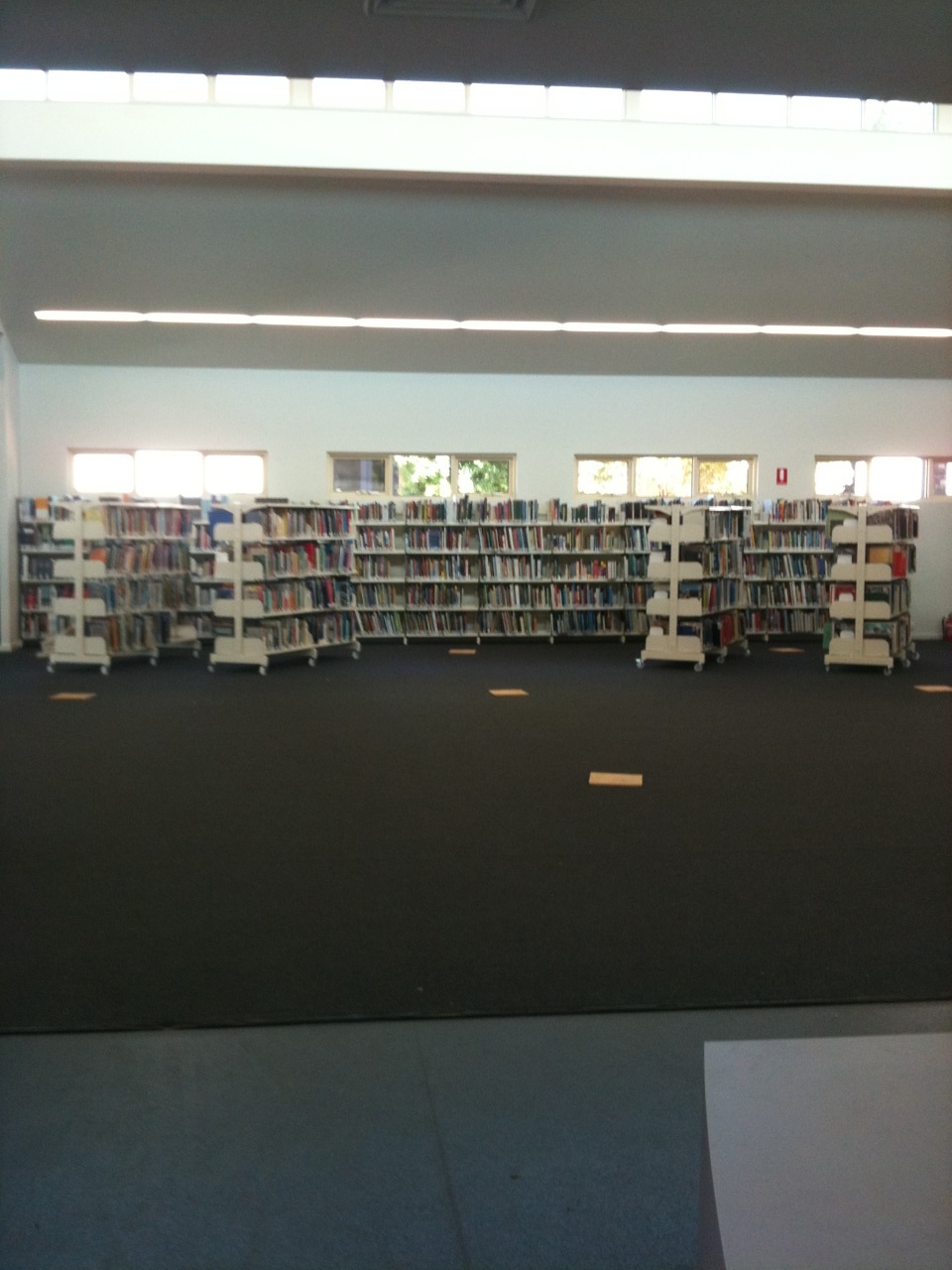
When we started planning Toorak College’s new Norman Carson Library, we knew this would be a space that had to meet the needs of a school population into a future that will see a physical collection change as society becomes increasingly comfortable with digital storage and usage. The space needed to be flexible and able to accomodate our book collection, but we didn’t want the books to be the predominant feature. We realise that fiction will be with us for some time, but our non fiction collection we see as a shrinking collection. We needed to find a way to make it inviting, but able to be transformed with changing times.  You get one shot to get things right. Our students return next week, and we can’t wait to see their reaction to the space. It will be their usage of the spaces that will let us know if we’ve hit the mark. I thought I’d share some pictures here to demonstrate the thinking behind the design.

The non fiction shelving in our large learning commons space. We wanted to utilise the wall as much as possible so that we could hopefully accomodate two classes in this space. We will have to see if it is possible once our furniture arrives.There are three break out rooms at the back of the learning commons space. We see these as small group work spaces, meeting spaces and private study areas. Each room has it’s own LCD TV to be used for presentations by students and staff. A divider separates two rooms so that we can create a larger space for a small class if necessary.

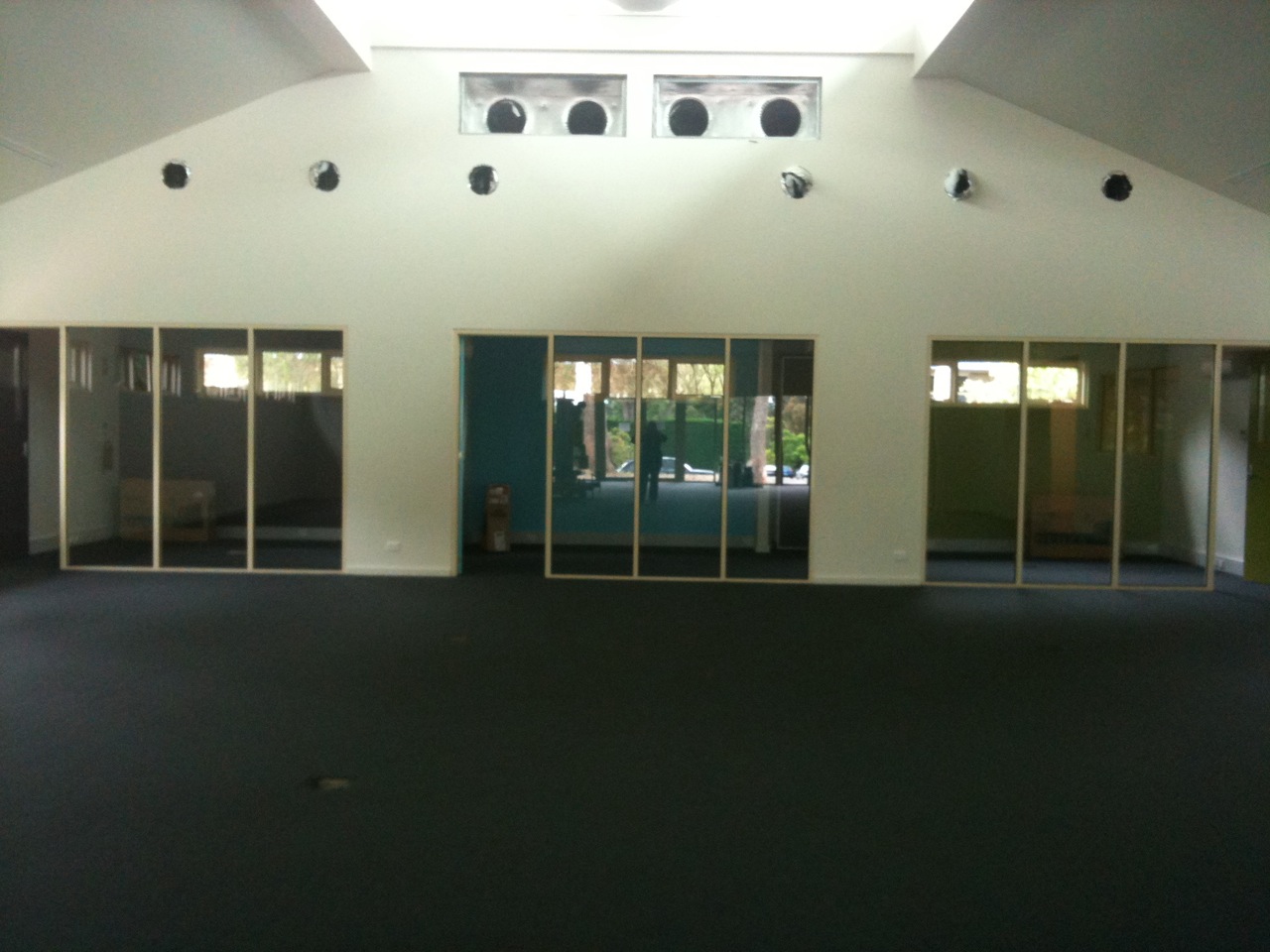
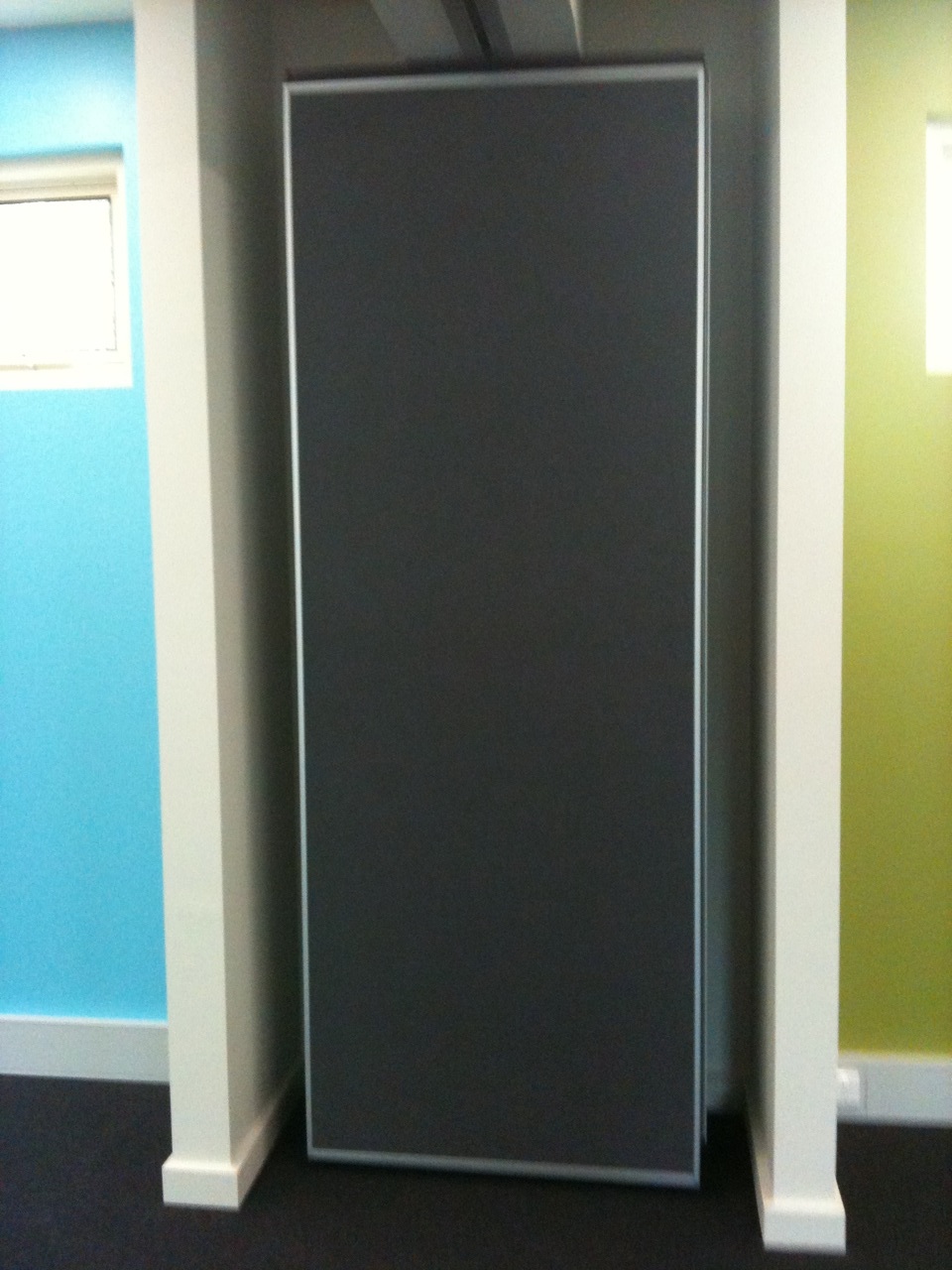
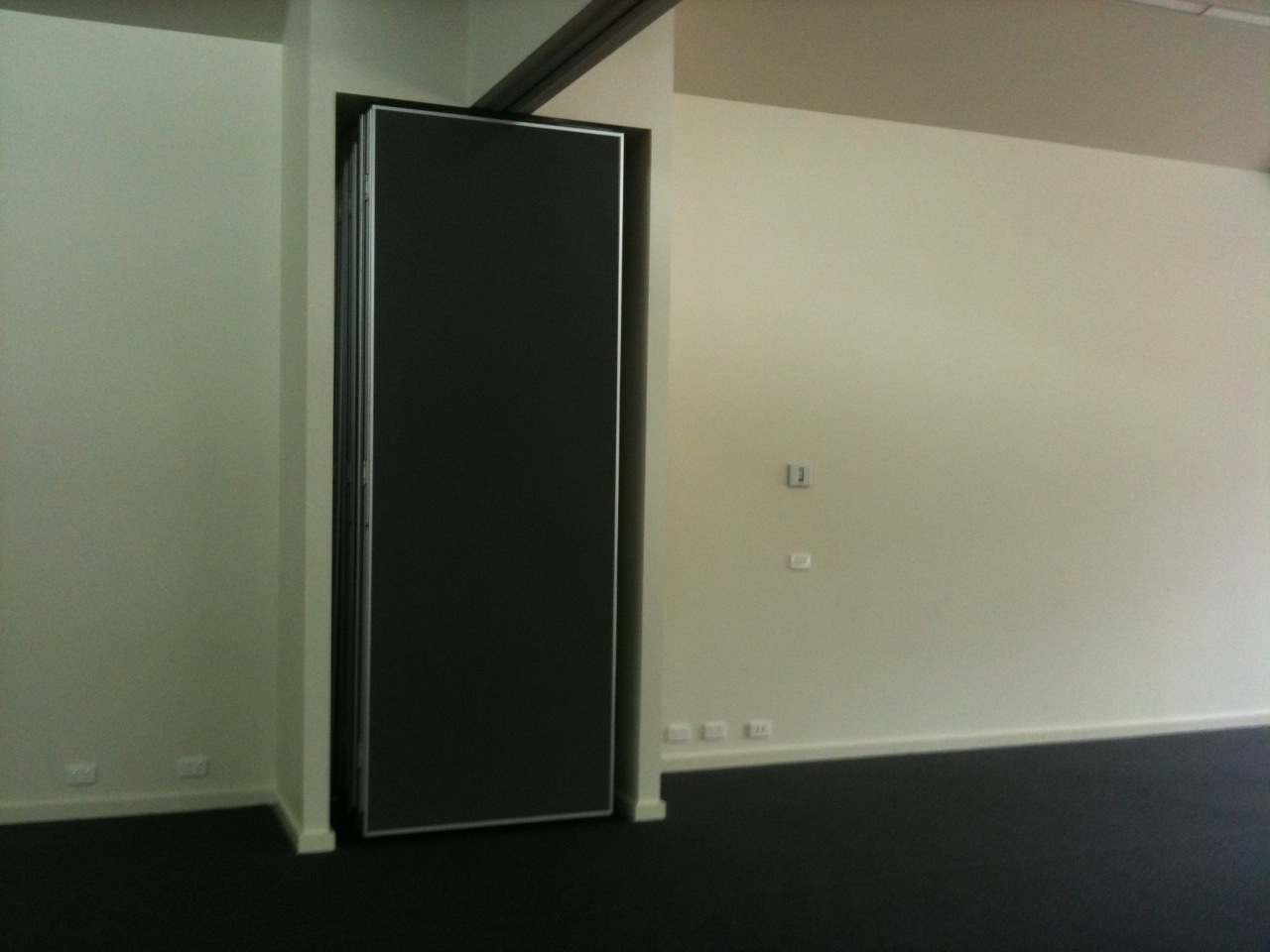
Room divider

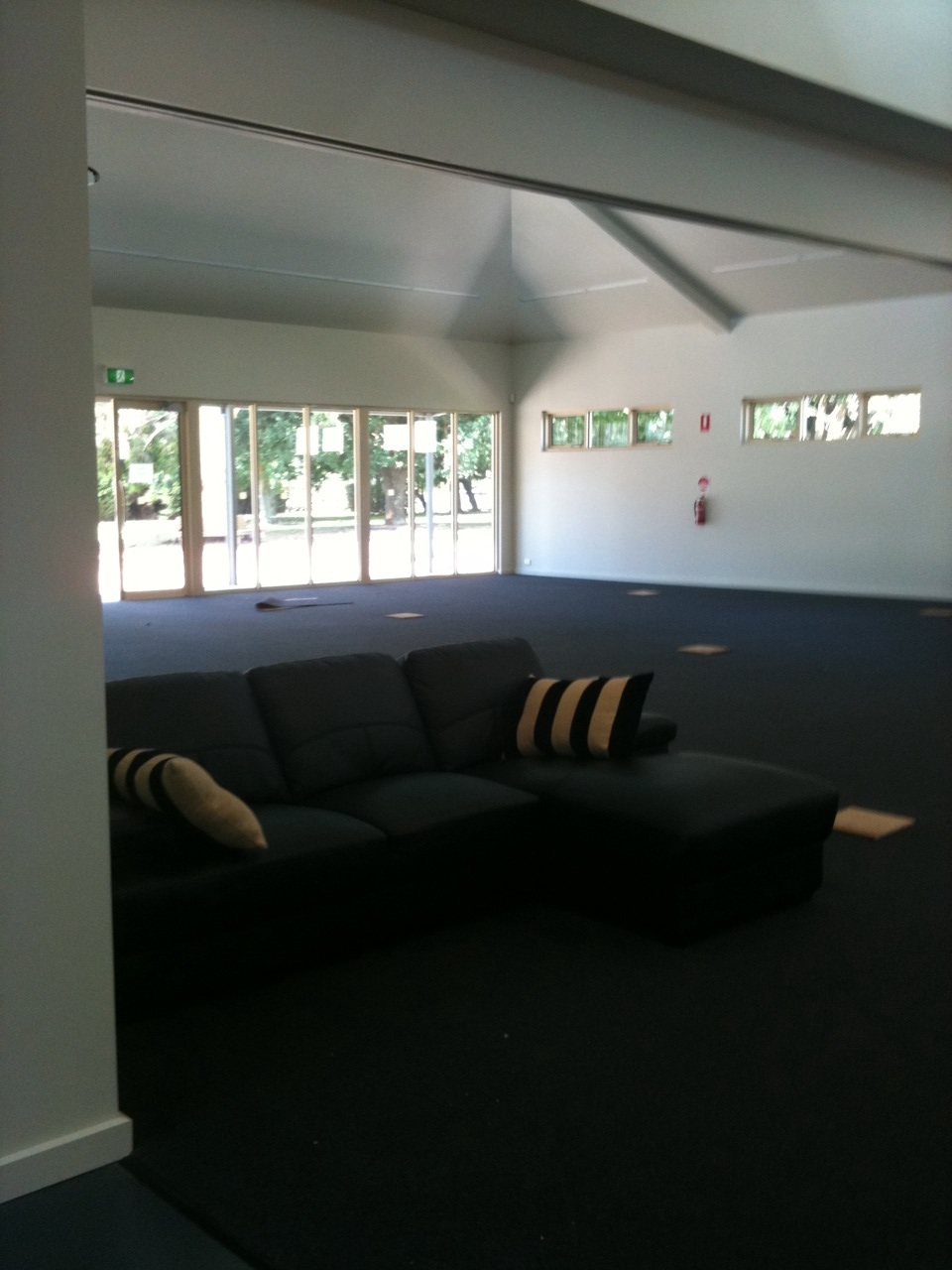
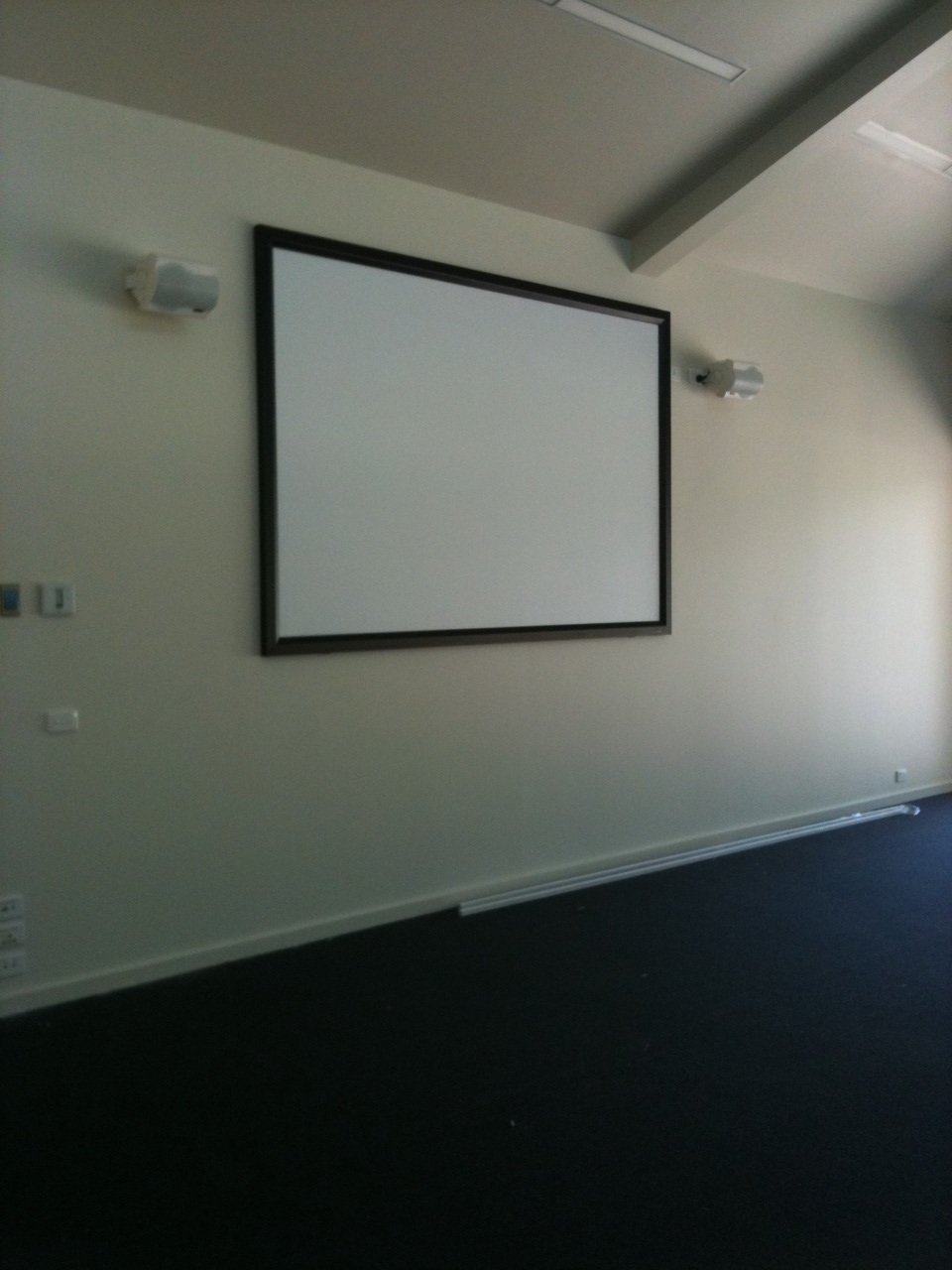
This is the large conference/work/relax space at the front of the learning commons area. This room has a large divider (see below) that can provide us with a large room for Year level presentations. It has a projector and very large screen for this purpose. (see below) We aim to provide flexible furnishings in this space that can allow for it to be transformed for different purposes. This vista of this space is simply beautiful. It looks out to our Edna Walling designed gardens and historic Hamilton Building.

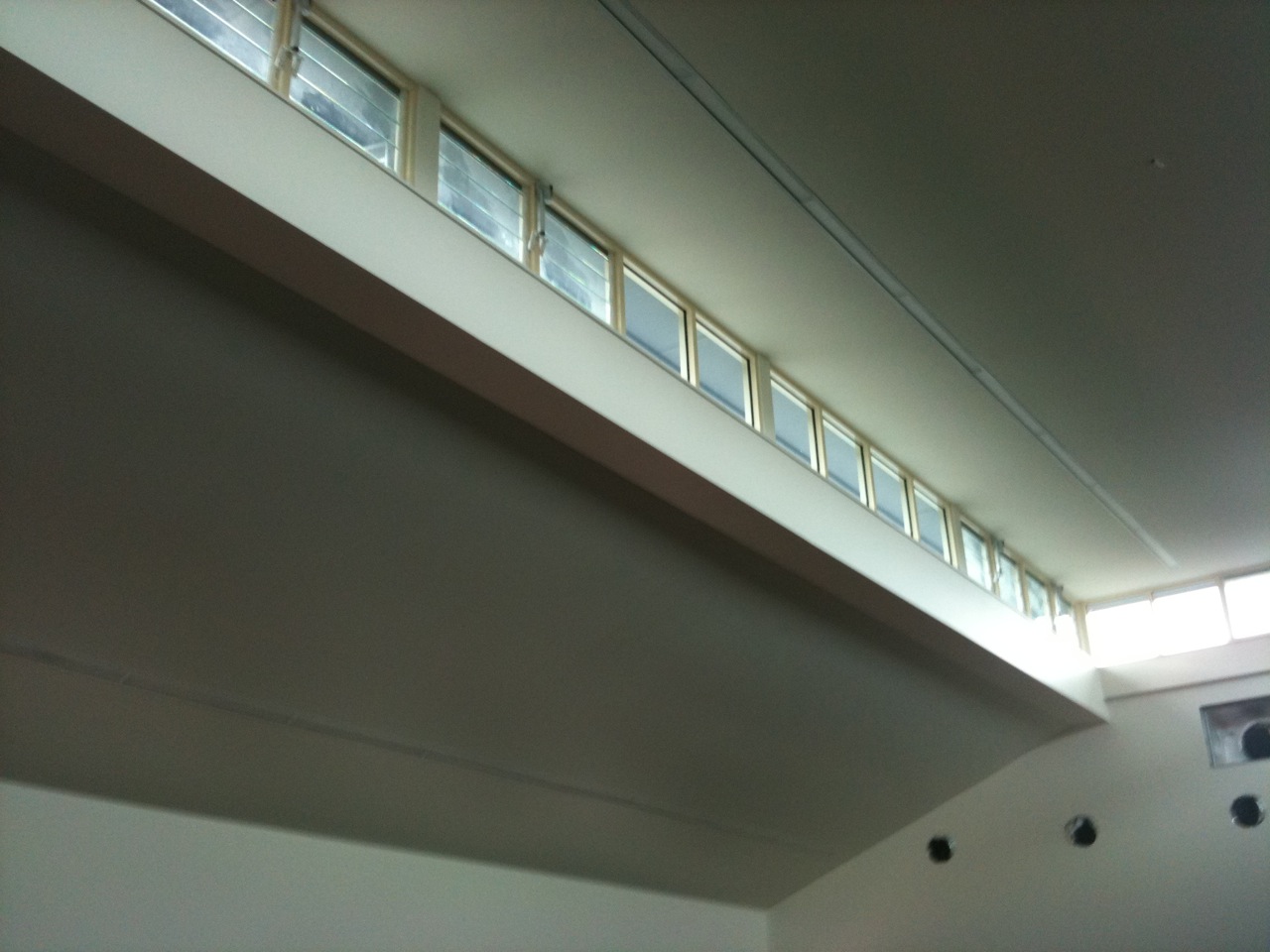
High pitched ceilings give the library a feeling of additional space, and louvre windows will help with the release of heat when the air conditioning is not being used.

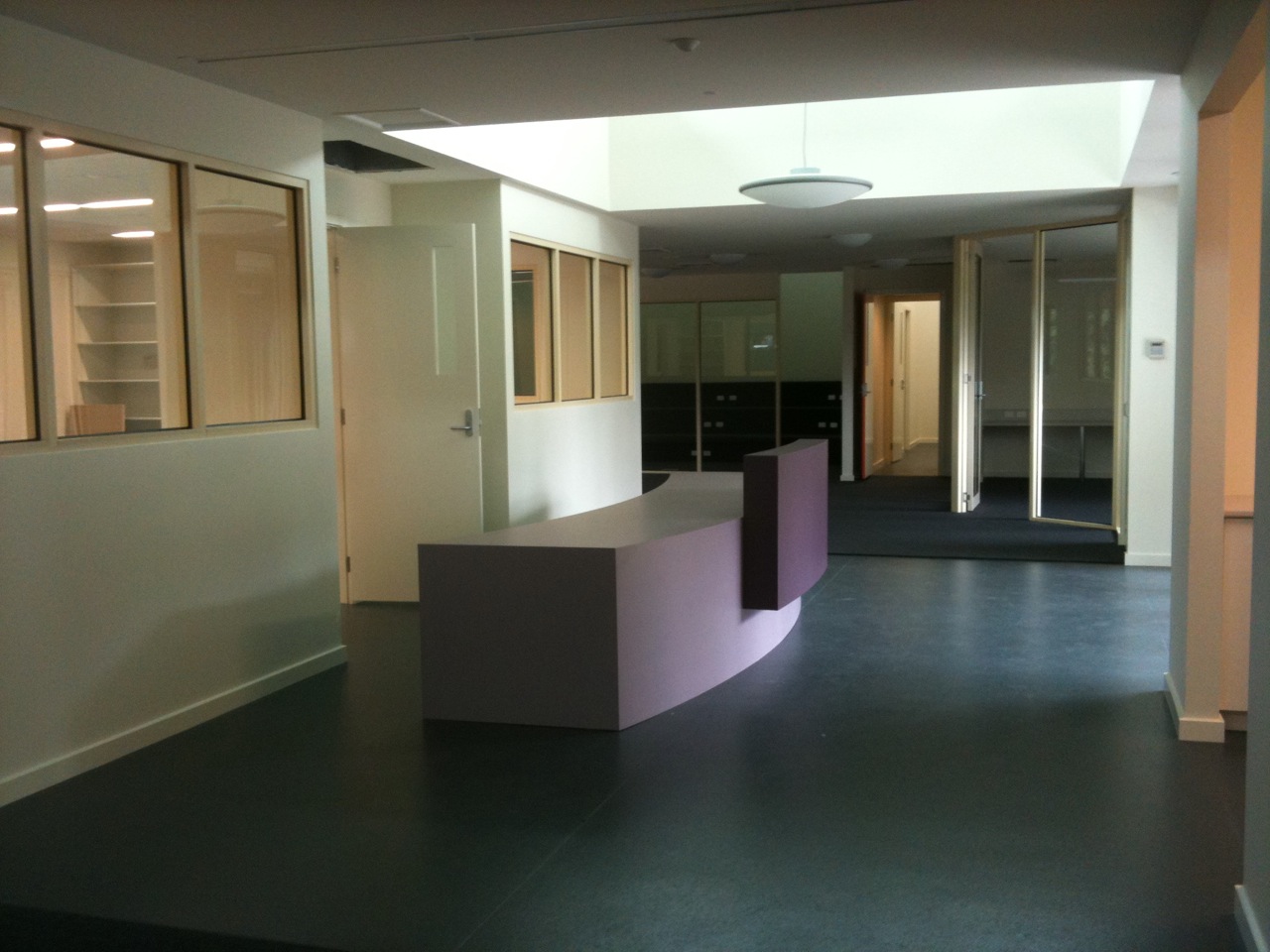
Here is the circulation desk, opposite the entrance, with the library workroom behind. It divides the two spaces of the library and allows for visibility to the learning commons space and the reading and multimedia spaces.

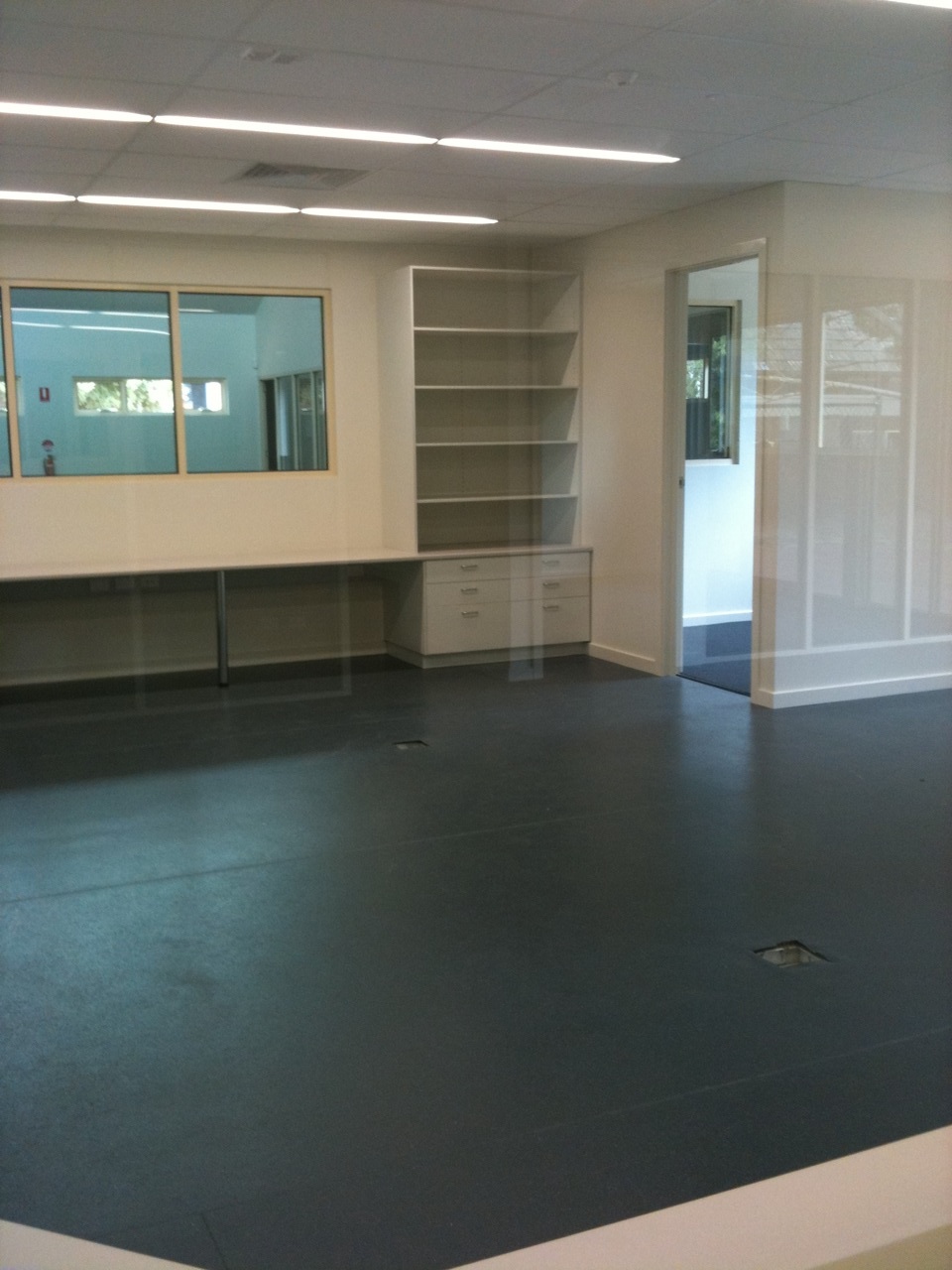
The library workroom is centrally located, with windows all around giving visibility to all areas.

This is our Multimedia room, that will be fitted out with Mac desktops. It adjoins our fiction/reading spaces.

This is our Fiction collection, looking out to our reading space. We are going to replace a standing double bay with wall shelving to help us maximise space.

Our reading space. We intend to make this an L Shaped space, once we have the wall shelving in place.

Opening doors at the rear of the reading space open to this deck, making this an indoor/outdoor reading space. The tree behind has had its canopy trimmed since this photo was taken, and it looks even more picturesque.

This tiered room, for chillin’ out and relaxing, or for presentations to groups, adjoins our fiction/reading space. It’s my favourite room, and has a very high ceiling giving it an interesting acoustic quality.

It is so exciting having the opportunity to help plan and realise a new learning space for students. Like I said, the proof of its effectiveness will lie with student usage. Seeing their reaction to this space when they return next Monday will be something to savour I’m sure. There are floorboxes with data and power dotted throughout the space for our power needs (we are a laptop school), and we will have netbooks and iPads available for student use when their own devices are not with them.

Our next step is furniture, and this is exciting too. February will see the first installment with more to come in a second stage. Flip tables are being used, as are ottamans, colourful chairs and what we are calling a snake lounge, and that will be the signature piece of the Library space.

Hopefully this will be a space that will meet our students needs well into the future. We wanted it to be welcoming, and it certainly has a homely feel when you enter it. It has been enthusiastically embraced by staff, and I expect to see the same reaction from our students, maybe an even more effusive one. I’ll let you know how it’s received.


Learning happens

I’ve spent the last eight school days participating in a ‘camp’ program at my school called Creative Communication. I’ve had the pleasure of working with 21 very special girls who have all made an effort to extend their thinking and contemplate how we communicate in today’s world. They’ve been exposed to actors like Brian Nankervis (or Raymond J Bartholomuez to those of you who remember one of his stage names) and playright Joanna Murray Smith (a former old girl from Toorak College). They’ve listened to me rabbit on about social media and how it can make a difference to their lives, and we’ve skyped with Karl Fisch to discuss the origins of ‘Did you know? – Shift happens‘, and Garr Reynolds, who helped them to understand the value of communicating effectively when presenting your ideas. (I may elaborate on Karl and Garr’s sessions over the weekend). It’s been full on, and culminated in them working on a project idea that would reflect some of their thinking.

The above video, made by Kate, was a link featured in Passionfruit, a magazine published by one group using ISSUU.

I hope you visit their publication, and appreciate that they got this together in just over a day. They were originally thinking of doing a print publication, but decided to go with an online version knowing that it had the potential to reach an audience much wider in scope than just the school community. Another group produced a great video about the effect of technology on student lives, and will be posting to YouTube. I’ll definitely feature it here when it goes up. Others started blogs about things they are passionate about, and most said they think they will try and sustain them.

I do hope that this experience has helped them to understand the significance of sharing their work publicly. Yesterday we watched Chris Anderson discuss Crowd Accelerated Innovation in his TED Talk, and I tried very hard to get them to understand that these ideas apply to them. They don’t have to wait until they finish their university degree to get themselves noticed. As Garr Reynolds told them, we can all make a dent in the universe if we go about it the right way.

(By the way,  thanks to Derek Wenmoth, I’ve just been scanning the latest Horizon Report focused on Australia and New Zealand. Reading this confirms my belief that helping my students understand the value of sharing their work in online spaces, and making connections with experts and others interested in their passions, is what I need to to be doing. Stuffing content down their throats might help them pass an exam, but it won’t teach them the skills they need to be successful in today’s world.)

Thanks girls, it was a pleasure sharing this time with you. Hope you felt the same way. : )

Liana’s second guest post – The Sustainable Table

Liana Gooch teaches at Toorak College with me and is one of the hardest working people I know. She was part of our PLP group and has really tried to embrace new technologies into her teaching practice. She holds the position of Academic Enhancement Coordinator, and goes out of her way to try to create interesting learnng opportunities for the students at our school. I asked Liana to share with you the inquiry project she ran at the end of last year with our Yr 8 students. It was called ‘The Sustainable Table’ and I can vouch for the fact that it had our students immersed in a learning experience in the final days of the school year (and we all know how hard it can be to hold their attention at that time, when reports are written and there are no assessment tasks to complete!). This is Liana’s second guest post; it’s wonderful having a colleague willing to share her work with others.

So, take it away Liana!

The Sustainable Table – creating a recipe for the future

It may not be so apparent but your dinner table is the reflection of how well you apply the sustainability of food resources.  Have you ever wondered how far that apple that you’re eating has travelled or felt guilty about the amount of food we waste?

The two questions above were just part of the collection of thoughts Year 8 students at Toorak College have considered over the last two years in the highly successful inquiry ‘What does the sustainable table look like’?

Motivated by the global food shortages and related price hikes in 2008 which saw desperate people in developing countries such as Haiti resort to rioting, we were keen to develop an inquiry which not only informed students but developed some practical strategies which they could apply to their own lives.  There were two key objectives of the inquiry:

– How can we shift our students’ awareness and understanding of sustainability as being a practice not just being observed at a global or national level, but one that can occur in their individual lives as simple as changing some of their practices in the kitchen?

– Just as important, how could we as teachers ensure our delivery of the concept of sustainability is both inspirational and engaging so that students would be keen to adopt these practices from a young age?

The answer came in the form of an inquiry which would culminate in a sustainable afternoon tea which would not only demonstrate the students’ understanding and application of sustainable cooking practices for their guests, but would create an innovative platform for them to inform the wider school community about their findings.

The inquiry involved a successful partnership between several disciplines – Food Technology, Humanities, English and Science.  In the past we had conducted many inquiries between English, Humanities and Science so it was exciting to bring Food Technology on board. We wanted a project which students could get their teeth into, and the work conducted on cooking sustainably in Food Technology classes proved a perfect stage to initiate the project, and then merge with the concept of sustainability from a Humanities perspective. Students had been working with Giselle Wilkinson’s book ‘The Conscious Cook’ which provided students with  a range of insightful and practical approaches, ideas and recipes to assist with becoming more sustainable in the kitchen.  Students have been extremely fortunate to have had Giselle Wilkinson present ideas about food sustainability in the launch of the inquiry. Students acquired formal writing skills in their English classes in the preparation of invitation for guests to attend a sustainable afternoon tea.  During the introduction, a Science teacher explored the idea of food wastage experienced from paddock to plate.

Blended through this project was the commitment to the Toorak Attributes in which students were developing and demonstrating the ability to become more Community minded and Communicative and Innovative in their inquiry work.

Running over two days, students were initially exposed to a variety of ideas which they would then explore through their own inquiry depending on their choice of topic.

  • There are different cultural attitudes towards the choices of food we make.
    • The choices of food and cooking methods we apply can have a huge environmental impact
    • There are some sustainable choices to be made related to cooking which can reduce their environmental footprint.
    • There are a number of issues related to social and environmental sustainability and food.
    • Individual small actions can still make a huge contribution to sustainability.

Some examples of topics explored by students were: genetically modified food, feeding the world, food miles, fair trade, animal rights, food waste, pesticides, water sustainability, greenhouse warming.

Students became enthused about their inquiry upon discovering what their task entailed over the two days:

  • The preparation of an annotated page of recipes for a recipe book to inform people about strategies to adopt a more sustainable lifestyle in the kitchen.
  • The creation of a placemat related to their inquiry to inform people about sustainability and food.
  • The organisation and preparation an afternoon tea which is composed of sustainable snacks made by the students.
  • Preparation of an oral presentation about aspects of their inquiry to their guests.
  • The development of an appreciation for sustainability.
  • The development of literacy and communicative skills.

The scope for developing leadership and communicative skills was enormous. Each group had to work industriously and creatively to not only inquire about their topic but also to prepare invitations, recipes, place mats, an oral presentation as well as a themed table setting (following a demonstration by the Food Technology teacher of some creative and innovative approaches). Careful consideration had to be taken in the selection of their materials used for their table setting and meals.

The morning of the afternoon tea saw students cooking up a storm of activity. The rooms were filled with an array of inquiry products receiving finishing touches, coloured serviettes, clattering trays, food goods being transported to kitchens, flower arrangements and fluttering tablecloths.

The fruits of the students’ labour could be seen in the form of some inspiring presentations and products created for their inquiry. A real sense of achievement was sensed as guests wandered around the room and was seated to enjoy their afternoon tea while learning about sustainability.  Finally, the students were able to take a copy of all of the groups’ annotated recipes to continue applying the concept of sustainable living in the kitchen at home.

All in all, both students and teachers thoroughly enjoyed this engaging and thoroughly practical experiential approach to inquiry.

I hope you can see the effort and commitment shared by everyone involved in this project; teachers and students alike. Perhaps you can take some of this and adapt it for your own school. Liana would love to hear your thoughts, so leave a comment if you can. : )

Staying safe online: Responsible Internet use presentation

I mentioned in my previous post that my school (Toorak College) is participating as a pilot school in the Allanah and Madeline foundation’s Esmart initiative. As a 1:1 laptop school from Grade 5 onwards, we recognise the responsibility we have to help our students understand how to use the Internet responsibly.

I created this presentation (which unfortunately, won’t embed here -you’ll need to follow the link) for the year 5 and 6 students and delivered it today. I was really pleased with the students’ interest in what I was saying and the vast array of questions they posed about their online activities. At the end of the presentation, one of their teachers asked were any of them going home to make some changes to their online profiles. Quite a few of them raised their hands. Our discussion centered on the content of these slides, but was also peppered with discussion about the positive uses of the web for learning and communication. We were interested in supporting these students in their use of social networking sites; quite a few of them are using them already. I think the messages in the slides will be appropriate for our Yr 7 and 8 students as well.

Once again, I used Sliderocket to create the presentation. I really do love the fact that you are able to search Flickr Creative Commons pictures from within SlideRocket and import them into your presentation. In past presentations, the attribution appeared at the bottom of the slide. Now they appear when you hover over the picture. The Internet safety advice was largely drawn from the Australian Government site, ACMA Cybersmart.

We are aiming to run sessions right through the school, from Grade 3 onwards. Looks like I might be making some good use of that SlideRocket account!